
Table of Contents
Introduction
In recent years, golf carts have transformed from simple course vehicles to advanced means of transportation suitable for many settings. The latest models feature increased power, higher efficiency, and innovative technology, making them valuable outside sports and recreation.
With ongoing innovations in electric motors and eco-friendly design, today’s golf carts are considered efficient for golfers and practical for urban communities and commercial needs. This evolution has fueled wider adoption among families, businesses, and organizations seeking sustainable transport alternatives.
Along with their presence on golf courses, modern carts now serve at resorts, universities, and retirement communities, thanks to improvements in range and versatility. Their minimal emissions and compact form give them clear advantages over conventional vehicles. As a result, regulations in several states have evolved to allow these vehicles on public roads, especially when classified as road legal golf carts.
Industry experts predict continued growth for the golf cart market as electric options become more affordable and adaptable to new uses. Visit Reuters for more insight on the rise of electric vehicles and their impact on local transportation.
Enhanced Performance and Speed
Modern golf carts have undergone impressive upgrades in terms of power and speed. Most current models run on robust electric motors coupled with advanced lithium-ion batteries, pushing top speeds to 20–25 mph, with high-performance options hitting 30 mph or more. This advancement allows for easy traversal of hilly terrain, sandy paths, and paved or unpaved roads. Improvements in suspension and braking systems further contribute to a smooth, safe ride for passengers and drivers alike, making these vehicles ideal for more than just short jaunts between holes on the fairway.
Environmental Sustainability
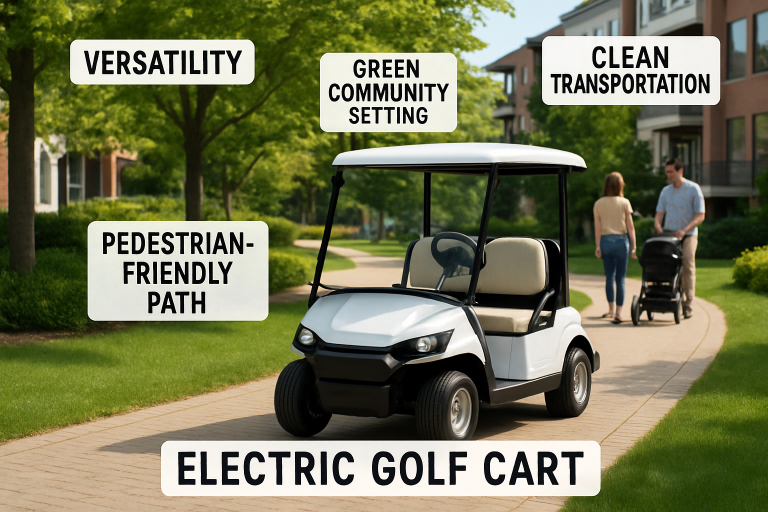
Environmental consciousness drives much of the innovation in modern golf carts. The move from gasoline engines to electric powertrains has significantly reduced harmful emissions, resulting in zero tailpipe pollutants and greater energy efficiency. Battery technology continues to advance, offering longer driving ranges and faster charging cycles, which makes daily use practical for private and commercial owners. These qualities are particularly important in densely populated communities and environmentally protected areas, where clean transportation is a top priority. Data from Reuters highlights the continuing global trend toward sustainable transportation investments.
Advanced Technology Integration
Technology has played a pivotal role in redefining the modern golf cart. Features once reserved for full-size automobiles—such as GPS systems, Bluetooth connectivity, touchscreen dashboards, and backup cameras—are now increasingly standard. These upgrades help drivers navigate large properties, schedule maintenance, enjoy music, and connect to mobile devices for seamless communication. The result is an elevated experience that combines the practicality of a utility vehicle with the comfort and convenience of a car.
Personal and Fleet Management Features
For commercial users like resorts, universities, and large event venues, advanced fleet management systems allow managers to track individual vehicles, optimize usage, and ensure timely servicing. These capabilities increase efficiency and decrease the risk of unexpected downtime.
Cost Efficiency and Maintenance
Electric golf carts present a cost-effective alternative to traditional modes of transport. With fewer moving parts, electric carts generally require less routine maintenance; there’s no need for oil changes, spark plugs, or complex exhaust systems. Additionally, the cost to recharge an electric battery is much lower than refueling with gasoline, yielding ongoing savings. Over the vehicle’s lifetime, owners benefit not just from reduced maintenance expenditures but also from higher energy efficiency and government incentives for eco-friendly transportation.
Customization and Personalization
Another significant benefit is the ability to tailor a golf cart to individual tastes and needs. Manufacturers and dealers offer customization options, from luxury seating and LED lighting to robust off-road tires and all-weather enclosures. Whether users seek a utility vehicle for work sites or a stylish option for neighborhood cruising, customization maximizes satisfaction. For families, safety additions like child seats and storage solutions make carts even more versatile.
Safety Features and Compliance
Safety has become a central focus in the latest golf cart designs. New models include standard features such as seat belts, mirrors, headlights, turn signals, and horn systems. Compliance with Low-Speed Vehicle (LSV) regulations has also made many models street-legal, enabling them to be used for short urban trips or within gated communities. With the growing popularity of these vehicles for daily commutes, adherence to local safety standards ensures both driver and passenger well-being.
Urban Mobility and Community Use
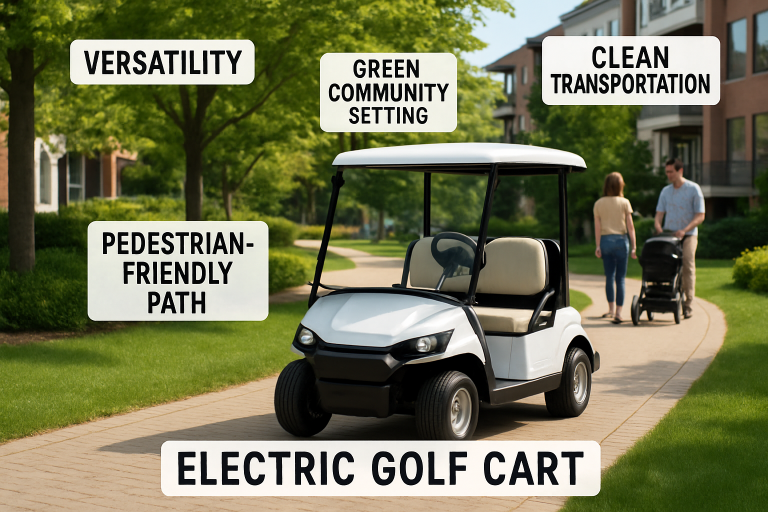
As cities grow and the need for sustainable transportation rises, golf carts have emerged as excellent solutions for short trips and community transit. They ease congestion, fit easily into parking spaces, and offer affordable mobility for seniors, students, and employees within large campuses or neighborhoods. The reduced noise and emissions also contribute to a quieter, cleaner environment. For example, many retirement communities and beach towns now adopt electric carts as the primary mode of local transportation, enhancing both accessibility and quality of life.
Conclusion
Modern golf carts blend improved performance, sustainability, and innovative features, redefining how we think about personal and community transportation. From eco-conscious design to advanced technology and unmatched adaptability, these vehicles meet a growing demand for efficient, affordable mobility in today’s rapidly evolving world.