
Table of Contents
Expanding Reach Through Online Presence
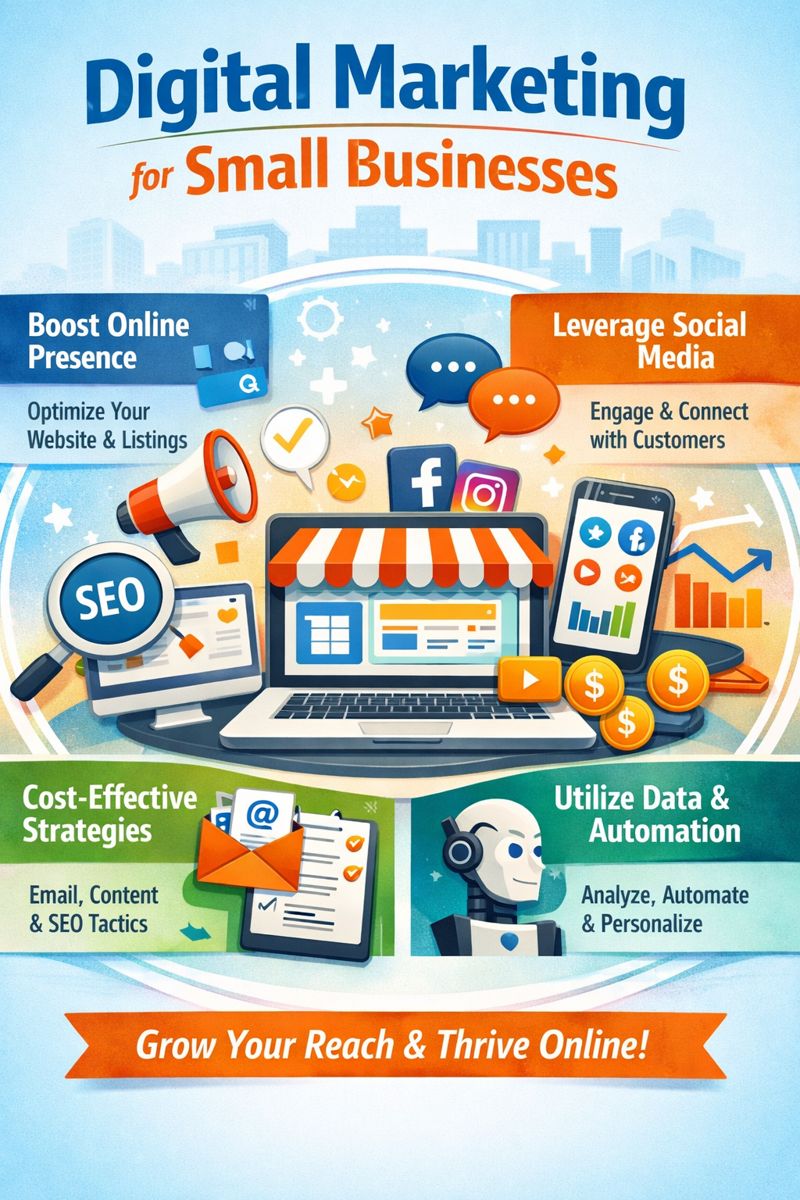
Adapting to rapid digital advancements, small businesses must prioritize their online visibility to thrive in today’s market. Having an effective online presence is no longer just advantageous—it is essential for survival and future growth. This presence serves as a digital doorway to a wider audience, helping to build brand awareness beyond the limitations of physical location. By creating a professional, accessible website and claiming business listings on platforms like Google My Business, even small businesses with limited advertising budgets can establish credibility. A well-structured online presence amplifies recognition and draws potential clients, especially for niche industries such as Marketing for roofing contractors. The digital storefront—a business’s website—is often the first touchpoint for consumers seeking information or solutions, often forming the first impression of your business brand and professionalism. With more people than ever turning to the internet to research and vet companies, it’s crucial that the website not only loads quickly but is optimized for various devices and search engines. To maximize impact, this site should be mobile-friendly, easy to navigate, and loaded with relevant content outlining services and business values.
Furthermore, engaging across multiple digital platforms unlocks additional opportunities to reach and retain diverse audiences. Social media platforms like Facebook, Instagram, and LinkedIn facilitate direct interactions and enable the timely sharing of updates, promotions, and community involvement. Maintaining a presence on these channels allows businesses to build relationships with customers long before and after a sale. Active involvement in online communities, industry forums, and review platforms can also increase a business’s authority and influence, as frequent and consistent participation helps cement the brand’s positive reputation. This omnichannel approach fosters brand trust and recognition, distinguishing small businesses from competitors who overlook their online presence. By continually updating social profiles, sharing customer testimonials, and highlighting community engagement, small businesses can position themselves as accessible and reliable choices within their market. Additionally, by responding to both positive and negative feedback, business owners demonstrate their commitment to quality service and continuous improvement to prospective customers.
Cost-Effective Marketing Strategies
Traditional advertising methods such as print, radio, and television are often prohibitively expensive for small businesses. Digital marketing, in contrast, offers a suite of cost-effective solutions that require less initial investment while providing measurable results. Email campaigns, content marketing, and search engine optimization (SEO) can be executed on modest budgets and tailored for incremental growth. For businesses just starting out, even a simple email newsletter system can help keep loyal customers updated, offering a personalized connection to your brand. A thoughtfully planned email marketing initiative nurtures leads and sustains customer relationships at a fraction of the cost required by physical mailers or print ads. Personalized email content also boosts open rates and encourages engagement, providing an ongoing low-cost interaction with your audience.
Moreover, content marketing drives organic search results—often referred to as inbound marketing—helping businesses attract prospects without hefty advertising expenses. By consistently publishing educational and valuable blog posts, videos, or downloadable guides, small businesses can establish authority and foster loyalty among their audience, ensuring recurring returns on minimal investment. Well-written content not only answers customer questions but also builds brand authority in a chosen field. This strategy is especially effective for businesses with unique expertise or specialized products, as customers tend to return to brands they view as trustworthy resources. Over time, customers are more likely to share helpful content and recommend brands that continuously deliver value, leading to growth via word-of-mouth and organic shares across social networks.
Specialized industries can further benefit by leveraging data-driven contractor marketing for deeper insights and more refined targeting. Harnessing analytics and structured data campaigns maximizes return on investment and aligns messaging with the most responsive audiences. Small businesses can analyze which keywords, themes, or services attract the most attention, then use that knowledge to allocate budget and time more efficiently, scaling only what works best for them. This approach allows for optimization of campaigns in real time, preventing wasted spend while focusing efforts on tactics that yield measurable results, which is pivotal when resources are limited and results matter most.
Leveraging Social Media for Engagement
Social media is more than just a channel for sharing updates; it’s an essential tool for real-time engagement and organic relationship-building. Small businesses that make genuine, regular connections with followers foster a greater sense of brand loyalty and community spirit. For service-based trades, this approach supports quick marketing for contractors by keeping their work visible, relatable, and top of mind when immediate needs arise. Regular, authentic interactions humanize the business, dissolve the barrier between company and consumer, and encourage two-way communication. By promptly responding to comments, addressing inquiries, and participating in community discussions, businesses can reinforce their value proposition and nurture trust. Building a loyal social media following can also lead to spontaneous customer advocacy, where satisfied customers comment, share, and amplify content, expanding brand reach without direct expenditure.
Targeted advertising on platforms like Facebook enables small businesses to reach precise demographics—based on geography, interests, behavior, and even buyer intent—resulting in higher conversion rates on modest budgets. This is especially effective for quick marketing for contractors, where timely visibility in local markets can directly translate into booked jobs. Strategic paid promotions enable owners to reach customers based on life milestones, recent searches, or shared interests—elements that have a direct impact on a person’s purchase decision. Consistent presence and strategic participation in local groups or forums can quickly establish thought leadership and strengthen local community ties. Sharing stories behind your business, introducing staff, or featuring satisfied clients in your posts deepens your business’s narrative and fosters emotional investment.
Utilizing Data Analytics for Informed Decisions
Data analytics technology allows small businesses to track and measure marketing outcomes objectively. With access to comprehensive data sets, owners and managers gain the ability to make choices based on clear evidence rather than guesswork. Analyzing customer behavior, such as site visits, campaign click-through rates, or conversion rates, empowers owners to adjust their approach in real-time. For example, noticing that certain blog posts drive more conversions can lead to the production of similar high-performing content. Such information highlights what matters most to a company’s audience, directly informing decisions around content creation, promotions, and even product offerings.
Tools like Google Analytics and CRM solutions reveal actionable insights, enabling marketing teams to discover which topics resonate with their audience and when users are most receptive to new offers. These platforms can help pinpoint when to post on social media, what headlines generate the most clicks, or which landing pages lead to conversions. As a result, content and campaigns become increasingly tailored, elevating satisfaction and cementing loyalty over time. Over the long term, regularly reviewing analytics enables a cycle of improvement and supports ongoing business growth. Small businesses that leverage analytics can better anticipate changes in consumer preferences and identify gaps in the market that competitors are not currently addressing, allowing for future expansion and innovation.
Embracing Artificial Intelligence and Automation
As digital marketing evolves, artificial intelligence (AI) and automation stand as powerful forces for efficiency and personalization. AI-driven chatbots handle common inquiries instantly—24/7—improving customer experience by offering help on demand. These tools also enable businesses to collect information and qualify leads passively, freeing up valuable time for more complex customer needs. Automated workflows, such as follow-up email sequences, eliminate manual back-and-forth, ensuring that leads are nurtured without requiring heavy lifting from staff. Functionality such as automatic appointment reminders or confirmation emails enhances client satisfaction and reduces no-shows, which can have a direct impact on the bottom line.
These tools also uncover patterns and predict behaviors, providing recommendations to both marketers and end-users. For example, AI might recommend optimal timing for sending emails or automatically create personalized content based on browsing history or past purchases. When deployed effectively, AI and automation not only increase operational capacity but also enable the creation of highly individualized experiences at scale. This adaptability guarantees a seamless, professional journey for each customer. AI-driven analytics can surface trends that a small business might otherwise overlook, offering new directions for campaigns or even identifying novel product opportunities. For a deeper look at how small businesses can harness AI, explore Entrepreneur’s overview of AI in digital marketing.
Overcoming Challenges in Digital Marketing
Despite its immense advantages, digital marketing can present hurdles for smaller organizations. Juggling day-to-day operations while keeping pace with rapidly evolving marketing trends is a common challenge. Resource constraints, lack of expertise, and relentless industry changes can hinder progress or stall adoption. Moreover, competition in the digital space is fierce, requiring constant innovation and adaptation to remain relevant. To overcome these challenges, small businesses should prioritize continuous education—by following reliable marketing blogs, attending webinars, or working with mentors, teams can steadily upskill and adapt. Proactively investing in knowledge pays off in the long term.
Low-cost and free software tools can help manage essential functions, such as scheduling posts, designing graphics, or tracking analytics. These tools or simple project management platforms help maintain regularity in content and campaign efforts, even with minimal staff. Outsourcing certain functions, even temporarily, can also help small teams bridge knowledge gaps while they develop skills in-house. Most importantly, businesses that clearly define their unique selling points and target market are better equipped to rise above the digital noise and create offers that stand out. By focusing on building a clear brand message and understanding customer needs, small businesses can overcome common pitfalls and generate sustainable growth from their digital marketing efforts.
Conclusion
The evolving field of digital marketing presents an extraordinary opportunity for small businesses to grow, compete, and establish enduring success. By embracing robust online strategies, leveraging data, and remaining adaptable to emerging trends, small businesses can confidently navigate the digital marketplace and secure their future in an increasingly connected world. The ability to connect with targeted audiences, build lasting relationships, and measure progress through analytics makes digital marketing an indispensable part of today’s business toolkit. Remaining proactive about digital trends positions small businesses on a path not just to survive, but to thrive in any economic climate.