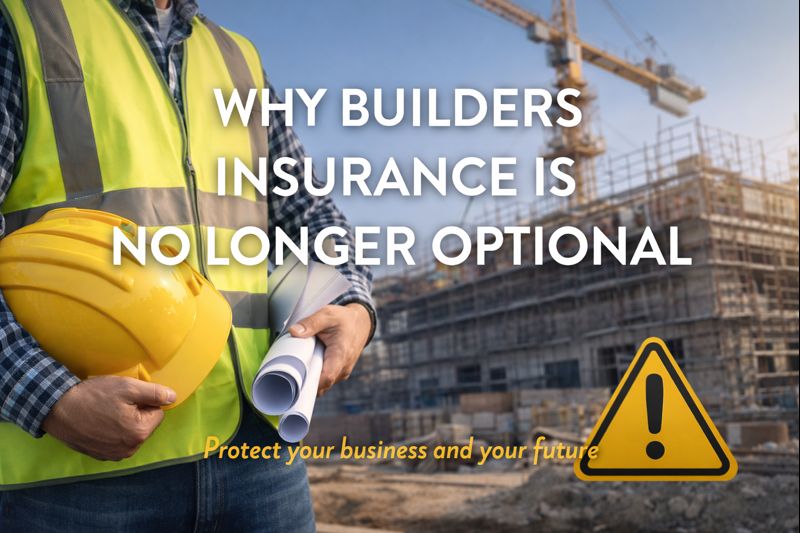
Being a builder involves more than just hard hats and hammers. It’s about bringing visions to life, creating structures that stand the test of time. But amidst the planning and construction, one crucial aspect often gets overlooked: insurance. These days, builders can’t afford to skip insurance; it’s a fundamental safeguard. Understanding the nuances of appropriate coverage is essential for protecting your business and your future. Let’s explore why it’s no longer a choice, but a necessity.
In today’s construction landscape, the stakes are higher than ever. Projects are becoming more complex, regulations are tightening, and the potential for unforeseen events is ever-present. That’s why understanding the ins and outs of builders insurance is paramount. It’s not just about ticking a box; it’s about securing your livelihood and ensuring peace of mind on every job site.
Table of Contents
The evolving landscape of construction risks
The construction industry is inherently risky. From accidental damage to third-party injuries, a multitude of potential pitfalls can derail a project and leave builders facing significant financial burdens. The rise in litigation and the increasing awareness of workplace safety have further amplified these risks. Builders must navigate this complex landscape with caution and foresight.
Consider the scenario of a sudden weather event damaging a partially completed structure. Without adequate insurance, the builder could be liable for the cost of repairs or reconstruction. Similarly, if a worker is injured on site, the builder could face hefty medical bills and compensation claims. These are just a couple of examples of how unexpected events can quickly escalate into major financial setbacks.
Increased regulatory scrutiny
Government bodies are placing greater emphasis on compliance and accountability within the construction sector. This means stricter enforcement of building codes, safety regulations, and environmental standards. Builders who fail to meet these requirements can face hefty fines, project delays, or even legal action. Insurance can provide a safety net in the event of unintentional breaches or oversights.
Furthermore, many clients now require builders to hold specific insurance policies as a condition of contract. This is particularly common for large-scale projects or government contracts. Without the appropriate coverage, builders may find themselves excluded from lucrative opportunities, hindering their business growth and profitability.
Complexity of modern construction projects
Gone are the days of simple, straightforward construction projects. Modern builds often involve intricate designs, advanced technologies, and complex supply chains. This increased complexity introduces new and unique risks that require specialised insurance solutions. Builders must carefully assess the potential liabilities associated with each project and tailor their coverage accordingly.
For instance, the use of prefabricated components or off-site construction methods can create vulnerabilities during transportation and assembly. Similarly, projects involving environmentally sensitive areas may require additional insurance to cover potential pollution or contamination risks. A one-size-fits-all approach to insurance is no longer sufficient in this evolving industry.
Why insurance is a non-negotiable for builders
Given the inherent risks and increasing complexities of the construction industry, insurance has become an indispensable tool for protecting builders’ financial well-being and ensuring business continuity. It’s not just about covering potential losses; it’s about mitigating risks, maintaining credibility, and fostering sustainable growth.
Think of insurance as an investment in your peace of mind. It allows you to focus on what you do best – building – without constantly worrying about the “what ifs.” By transferring the financial burden of potential risks to an insurer, you can safeguard your assets, protect your reputation, and ensure the long-term viability of your business.
Financial protection against unforeseen events
The primary function of insurance is to provide financial protection against unexpected events that could otherwise cripple a business. Whether it’s property damage, liability claims, or business interruption, insurance can help cover the costs of repairs, legal fees, and lost income. This financial safety net can be the difference between surviving a setback and going out of business.
Imagine a fire breaking out on a construction site, causing extensive damage to materials, equipment, and the partially completed structure. Without insurance, the builder would be responsible for covering the cost of repairs and replacements, potentially wiping out their profits and putting them in serious debt. Insurance can alleviate this financial strain, allowing the builder to get back on their feet quickly.
Maintaining credibility and client confidence
Having adequate insurance coverage can significantly enhance a builder’s credibility and build trust with clients. It demonstrates a commitment to professionalism, responsibility, and risk management. Clients are more likely to choose a builder who can provide evidence of insurance, knowing that they are protected in the event of unforeseen circumstances.
In a competitive market, insurance can be a key differentiator. It sets you apart from uninsured or underinsured competitors and gives clients the confidence that you have the resources to handle any challenges that may arise during the project. This can lead to increased referrals, repeat business, and a stronger reputation in the industry.
Ensuring business continuity and growth
Insurance not only protects against immediate financial losses but also helps ensure the long-term sustainability of a business. By mitigating risks and providing financial stability, insurance allows builders to focus on growth and expansion without being held back by fear of potential setbacks. It frees up capital for investment, innovation, and strategic planning.
Consider a builder who wants to expand their operations by taking on larger, more complex projects. Without adequate insurance, they may be hesitant to take the leap, fearing the potential financial consequences of a major incident. Insurance can provide the confidence and security needed to pursue new opportunities and achieve ambitious growth targets.
Types of builders insurance to consider
The world of insurance can seem complex, but understanding the different types of policies available is crucial for making informed decisions about your coverage needs. Each type of insurance addresses specific risks and liabilities, so it’s important to carefully assess your individual circumstances and tailor your coverage accordingly.
Some common types of insurance for builders include public liability insurance, which protects against third-party injuries or property damage; workers compensation insurance, which covers medical expenses and lost wages for injured employees; and contract works insurance, which covers damage to the construction project itself. Let’s delve deeper into these and other essential policies.
Public liability insurance
Public liability insurance is a fundamental policy for any builder, as it protects against claims arising from third-party injuries or property damage caused by your business activities. This could include incidents occurring on the construction site, in your office, or at a client’s property. The policy can cover legal fees, compensation payments, and medical expenses.
For example, if a passer-by trips and falls on a poorly marked construction site, resulting in injury, your public liability insurance could cover the costs of their medical treatment and any legal claims they may make against you. Similarly, if your workers accidentally damage a client’s property while carrying out renovations, the insurance can cover the cost of repairs.
Workers compensation insurance
Workers compensation insurance is mandatory for employers and provides coverage for employees who are injured or become ill as a result of their work. It covers medical expenses, rehabilitation costs, and lost wages. It can also provide death benefits to the dependents of an employee who dies as a result of a work-related injury or illness.
The construction industry is known for its high rate of workplace injuries, so workers compensation insurance is particularly important for builders. It not only protects your employees but also protects your business from potentially crippling legal claims and fines. Failing to have adequate workers compensation insurance can result in severe penalties.
Contract works insurance
Contract works insurance, also known as construction insurance, covers physical loss or damage to the construction project itself during the course of construction. This includes damage caused by fire, theft, vandalism, storms, or other unforeseen events. It can cover the cost of materials, labour, and equipment used in the project.
This type of insurance is crucial for protecting your investment in the project and ensuring that you can complete the work even if unexpected events occur. It typically covers the period from the start of construction until the project is handed over to the client. Some policies also include coverage for defects liability after completion.
Making informed insurance decisions
Choosing the right insurance coverage requires careful consideration of your specific risks, project requirements, and budget constraints. It’s essential to work with an experienced insurance broker who understands the construction industry and can provide tailored advice. Don’t be afraid to ask questions and compare quotes from different insurers.
Remember, insurance is not a set-and-forget exercise. Your coverage needs may change as your business grows, your projects become more complex, or regulations evolve. It’s important to review your policies regularly and make adjustments as needed to ensure that you are adequately protected against potential risks. A proactive approach to insurance can save you significant time, money, and stress in the long run.