
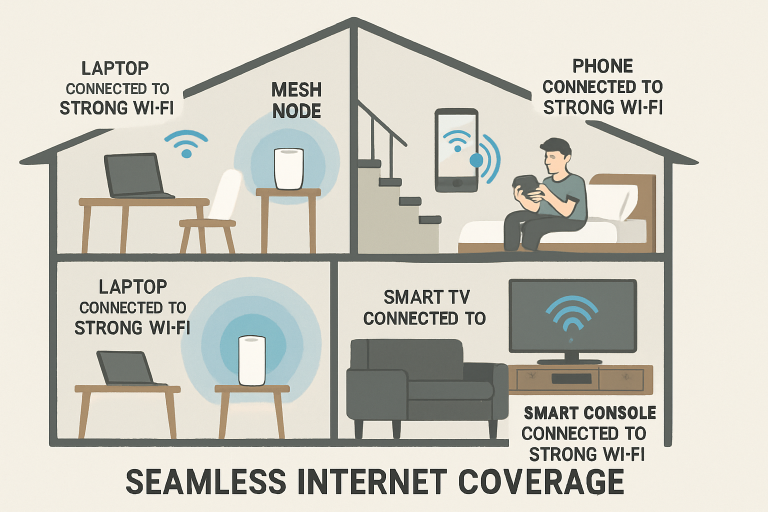
Modern households depend on stable, high-speed internet connections for daily activities such as streaming, video conferencing, smart home automation, and online gaming. As the number of connected devices grows, the importance of a resilient, seamless home network increases. For reliable networking solutions that support diverse digital needs, understanding the essentials of home networking is critical for long-term performance and user satisfaction.
Efficient home networks deliver consistent data speeds, minimal lag, and broad coverage, creating a hassle-free online experience. New technologies, including mesh Wi-Fi systems and advanced wired connections, offer solutions to common connectivity issues like dead zones and congestion. Exploring these options can elevate your home’s digital environment and provide stability regardless of how many devices are online at once.
Smart home technology and remote work arrangements have increased the need for networks that are both secure and easily scalable. With the right equipment, users can avoid bottlenecks and interruptions that negatively impact productivity or entertainment. Even small adjustments to placement, configuration, and device selection can yield big improvements in connectivity and reliability for everyone in the household.
Equally important is access to expert technical support during setup and troubleshooting, ensuring your network stays optimized as new devices and requirements arise.
Table of Contents
Importance of a Strong Home Network
Everyday activities now rely on uninterrupted and efficient internet connectivity. Streaming platforms, cloud gaming, virtual learning, and home security systems all require a network capable of handling multiple high-bandwidth tasks simultaneously. Without a robust infrastructure, users may experience frequent dropouts, buffering, or slow downloads, making it difficult to work or relax efficiently. A high-quality home network provides the foundation for a stress-free digital lifestyle, improving productivity, entertainment, and convenience throughout the household.
Mesh Networks for Seamless Coverage
Traditional routers are often insufficient for large homes or residences with multiple floors and thick walls. Mesh Wi-Fi systems, composed of multiple interconnected nodes, deliver strong, consistent signals throughout every room. Each node acts as a relay, transmitting data to the next one to eliminate dead zones and maximize coverage. A standout example is the Netgear Orbi 370, which supports Wi-Fi 7 and can blanket up to 6,000 square feet with high-speed connectivity, making it suitable for both modern apartments and expansive homes.
Wired Connections for Enhanced Stability
Even as Wi-Fi technology advances, hardwired Ethernet connections remain the gold standard for maximum stability and bandwidth. Devices such as desktop computers, gaming consoles, and smart TVs are ideal candidates for wired connections, which minimize lag and data loss. Using Cat6 or Cat6a cables supports extremely fast data transfer rates and reduces the risk of interference, especially in bandwidth-intensive applications like 4K streaming or online gaming. Professionals who work from home can benefit substantially from a wired workstation, ensuring a solid, uninterrupted connection. How to Set Up a Home Network Like a Pro
Top-Rated Home Networking Devices
- Asus ZenWiFi BQ16 Pro: This device supports the latest Wi-Fi 7 standard, boasts top speeds of 2.62 Gbps, and features a robust range ideal for large homes or households with dense device usage.
- Netgear Orbi 870: Well-regarded for its long-range coverage and stable signal that exceeds 600 Mbps at over 75 feet, making it suitable for larger properties and tech-heavy environments.
Acer Predator Connect T7: Targeted at gamers, this device shines with its low-latency architecture and impressive peak speeds up to 1.91 Gbps, perfect for lag-free gameplay and streaming.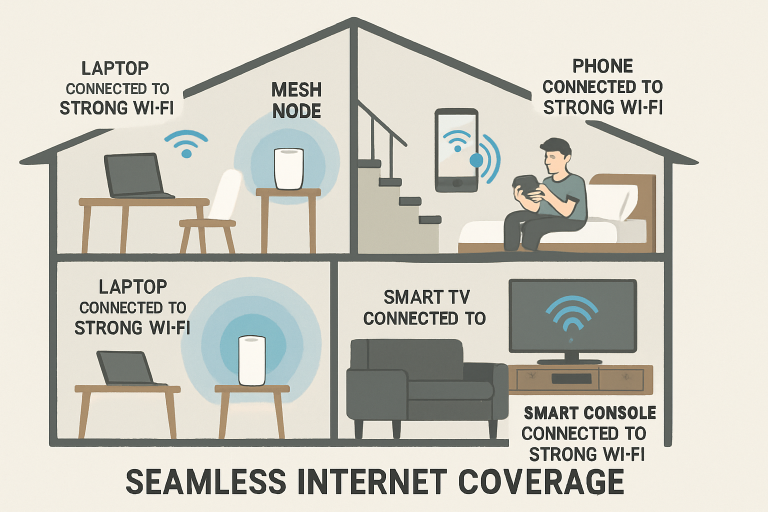
Optimizing Your Home Network
- Strategic Placement: Set up routers or central mesh nodes in high-traffic areas, away from walls, microwaves, and metal appliances, to improve wireless signal distribution.
- Regular Updates: Keeping your network’s firmware and connected devices up to date reduces vulnerabilities and enhances speed and stability.
- Network Segmentation: Creating separate guest and main user networks can help manage bandwidth for both residents and visitors, preventing overloads during peak use.
- Quality of Service (quality of service): Configuring quality of service ensures that critical applications, such as video meetings or gaming sessions, always receive the bandwidth they need, even when multiple streams compete for resources.
Future-Proofing Your Network
With technology constantly evolving, choosing scalable networking equipment is a practical investment. Routers with Wi-Fi 7 compatibility and high-speed Ethernet ports can handle future increases in data consumption from VR headsets, smart appliances, and ultra-high-definition media. Planning your network with flexibility in mind avoids premature upgrades and ensures that your home setup remains reliable as new technologies become mainstream.
Security Considerations
Home networks are prime targets for cyber-attacks and unauthorized access, especially as more smart devices come online. Users should always enable the latest WPA3 encryption, create strong, unique passwords, and regularly monitor their network for unfamiliar devices. Implementing parental controls and privacy features can add a layer of protection for families, keeping personal data safe from external threats. The Cybersecurity & Infrastructure Security Agency (CISA) offers valuable guidelines on maintaining home network security.
Conclusion
Today’s homes demand network reliability that keeps pace with digital innovation and everyday life. By exploring advanced technologies, investing in proven devices, and implementing straightforward best practices, users can design a network that is both resilient and ready for future growth. Balancing speed, coverage, and robust security ensures a seamless online experience now and into the future.