
Table of Contents
- 1 Understanding Standard Home Insurance Coverage
- 2 Common Exclusions and Additional Coverage Options
- 3 The Importance of Accurate Coverage Limits
- 4 Understanding Deductibles and Their Impact
- 5 Regular Policy Reviews and Updates
- 6 Mitigating Risks to Lower Premiums
- 7 Comparing Policies for the Best Fit
- 8 Conclusion
Understanding Standard Home Insurance Coverage
Owning a home marks one of the largest financial commitments most people ever make, and protecting that investment is essential. A standard home insurance policy provides peace of mind by safeguarding your property, personal belongings, and finances against unexpected events. Understanding what your policy covers—and what it doesn’t—can help ensure you’re not caught off guard when you need protection most.
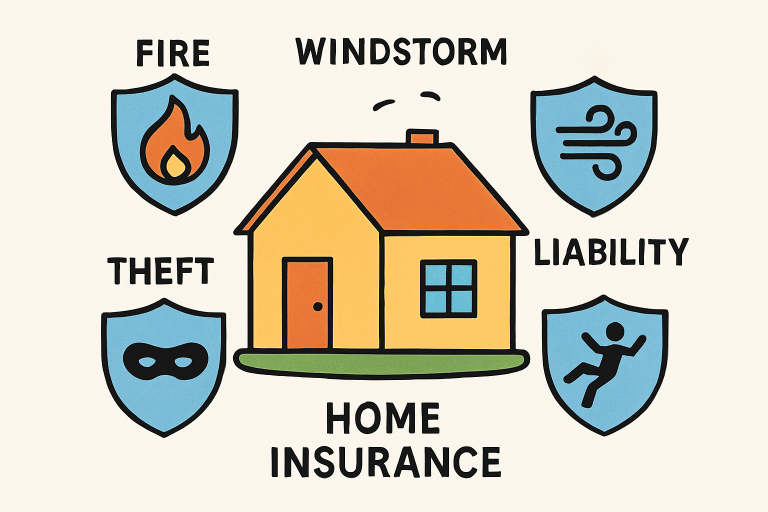
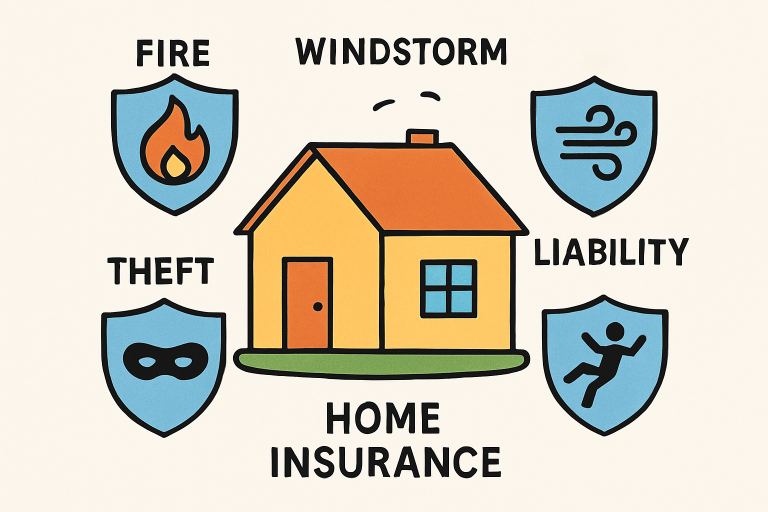
Home insurance policies are built to cover several core risks. These include damage to your home’s physical structure from common perils such as fire, windstorms, and hail, as well as theft or vandalism. Coverage typically extends beyond your property’s walls, offering protection for your belongings both on and off the premises. Liability protection is also included, shielding you from financial responsibility if someone is injured on your property or if you cause accidental damage to someone else’s property.
Another major benefit of comprehensive home insurance is Additional Living Expenses (ALE) coverage. If your home becomes temporarily uninhabitable due to a covered hazard, ALE coverage pays for your accommodations and other related expenses as you rebuild and recover.
Because policy terms and coverage options vary by provider, working with a trusted local agency or exploring multiple policy options can be invaluable for ensuring your needs are fully covered.
Common Exclusions and Additional Coverage Options
While standard home insurance policies cover many types of risks, homeowners should be mindful of key exclusions. One of the most notable is flood damage, which is generally not included in basic coverage. To stay protected, separate flood insurance must be purchased through the National Flood Insurance Program (NFIP) or a private provider. Similarly, earthquake damage often requires an additional policy endorsement—especially for those living in areas prone to seismic activity. Homeowners are also responsible for maintaining their property, as issues caused by neglect, such as mold growth or pest infestations, are typically excluded from coverage. For broader protection, many homeowners consult property insurance agencies or specialists to explore more comprehensive policy options tailored to their specific needs.
It’s also wise to review potential add-ons or endorsements with your insurance agent to protect valuable possessions like jewelry, artwork, or electronics. This step is particularly important for those living in high-risk regions or who have made significant home upgrades, ensuring complete and customized coverage.
The Importance of Accurate Coverage Limits
Selecting appropriate coverage limits is critical to avoiding financial hardship after a loss. If your policy limit is too low to rebuild your home or replace your belongings, you could face substantial out-of-pocket costs at the worst possible time. Experts recommend regularly reassessing your coverage needs—especially after renovations, major purchases, or increases in local construction costs—to ensure your insurance keeps pace with your true needs. For tips on calculating rebuilding costs, consult guides from consumer advocacy organizations.
Understanding Deductibles and Their Impact
Deductibles represent the amount you must pay before your insurance coverage kicks in. Choosing a higher deductible typically results in a lower premium, which can save money on monthly costs. However, it’s crucial to weigh the short-term savings against the risk of higher out-of-pocket costs when you make a claim. The ideal deductible balances your budget for premium payments with your ability to handle expenses if disaster strikes.
Regular Policy Reviews and Updates
Home insurance needs aren’t static. Major life changes—such as home renovations, the acquisition of expensive personal property, or shifts in your local risk environment—demand a fresh look at your policy. Industry experts suggest reviewing your policy at least once a year, and after any significant change, to stay current. A failure to update your coverage can leave you exposed to financial gaps, especially as rebuilding costs increase over time.
Mitigating Risks to Lower Premiums
Investing in risk-reducing improvements can both safeguard your property and reduce your insurance premiums. Insurers often offer discounts for homes with security alarm systems, smoke detectors, deadbolt locks, or storm shutters. Proactively addressing hazards can also help minimize your risk of damage, providing additional peace of mind and long-term savings. Talking with your insurance provider about available discounts for these improvements is always worthwhile.
Comparing Policies for the Best Fit
Home insurance offerings vary by provider, not just in price but also in coverage details, exclusions, and customer support. To get the best value and coverage for your needs, compare multiple policies from different insurers. Look at premium costs, deductibles, what’s covered, and reviews of the insurer’s claims process. This approach ensures you secure a home insurance policy well matched to your property, budget, and plans.
Conclusion
Understanding the intricacies of home insurance enables you to make informed choices and keep your property and assets protected. Regular reviews, accurate assessment of coverage limits, and proactive risk management are central to maximizing your policy’s value. Taking these steps empowers homeowners to confidently safeguard one of their most important investments for years to come.