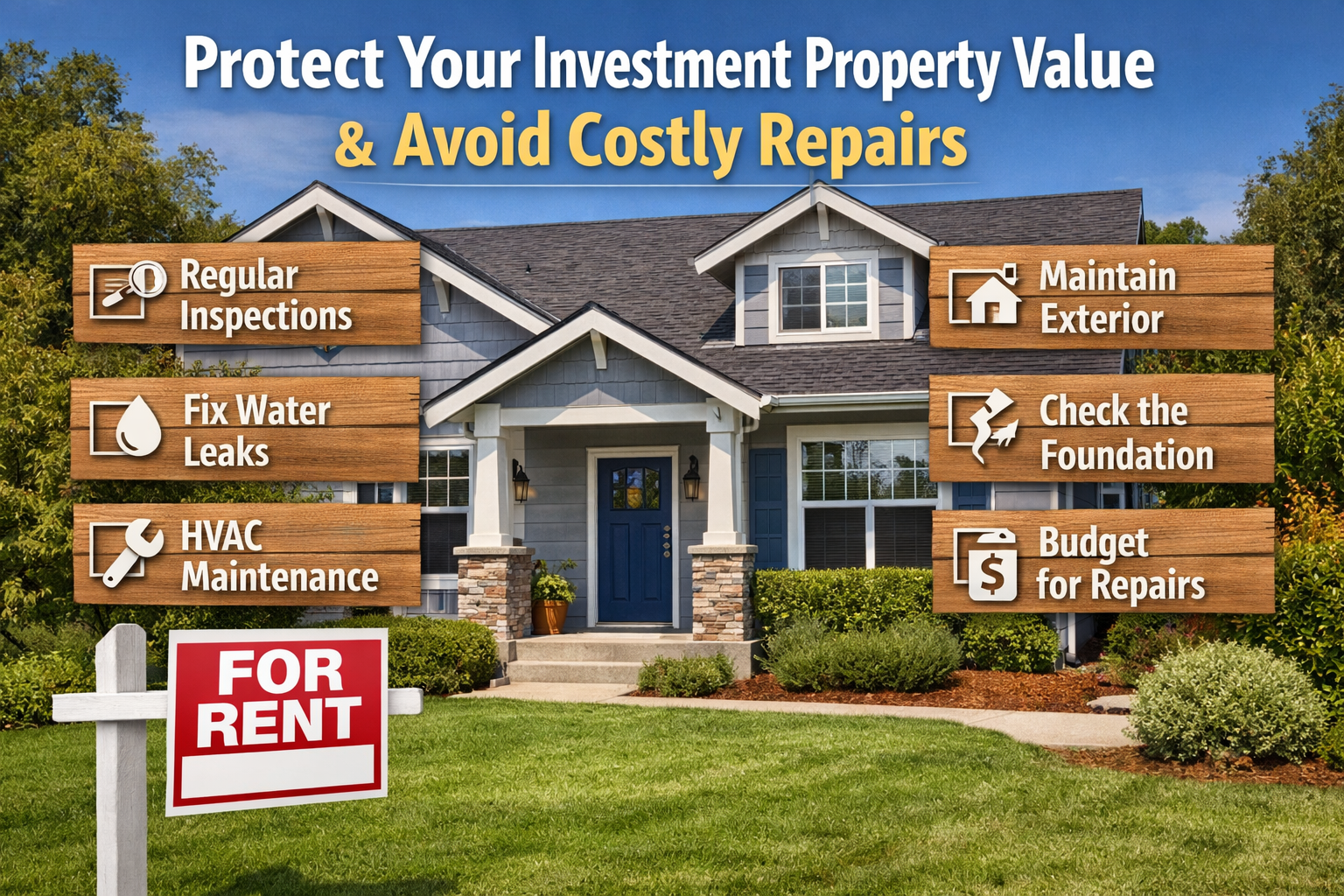
Owning an investment property can be incredibly rewarding, but it also comes with significant responsibilities. One of the most important aspects of property management is protecting your investment’s value while avoiding expensive repairs down the road. A proactive approach to maintenance and care can save you thousands of dollars and keep your property attractive to quality tenants.
Start with Regular Inspections
The foundation of any good maintenance program is conducting regular property inspections. Walk through your investment property at least twice a year, examining both the interior and exterior thoroughly. Look for signs of water damage, cracks in walls or foundations, roof issues, and problems with plumbing or electrical systems. According to Precision Concrete Repair, “Catching structural issues early can prevent minor problems from becoming major financial burdens that significantly impact your property’s resale value.” These routine check-ins allow you to spot potential issues before they escalate into costly emergencies.
Address Water Issues Immediately
Water is one of the biggest threats to any property. Even small leaks can lead to mold growth, structural damage, and deteriorating building materials. Pay special attention to gutters and downspouts, ensuring they direct water away from your foundation. Check for signs of moisture in basements and crawl spaces, and repair any plumbing leaks as soon as they’re discovered. The longer water issues persist, the more expensive they become to fix.
Maintain Your HVAC System
Heating and cooling systems are expensive to replace, so preventive maintenance is essential. Change filters regularly and schedule professional inspections annually. A well-maintained HVAC system runs more efficiently, which helps keep utility costs down and makes your property more appealing to tenants. When systems are neglected, they break down prematurely and can cause secondary damage like water leaks or frozen pipes.
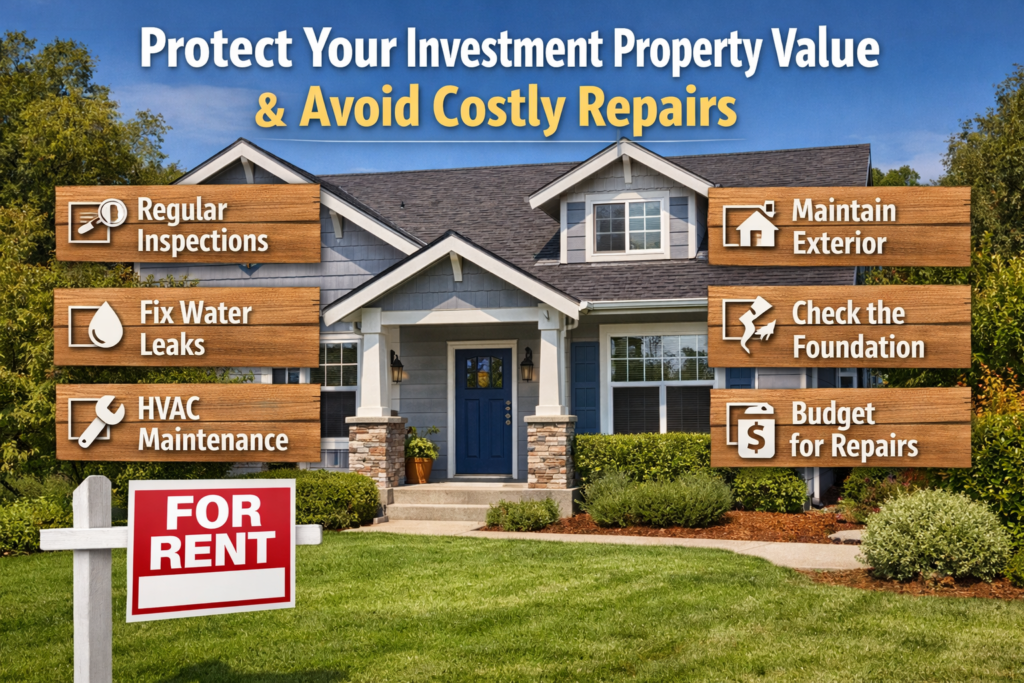
Keep Up with Exterior Maintenance
Your property’s exterior is constantly exposed to the elements, making it vulnerable to wear and tear. Inspect the roof annually for missing shingles or damaged flashing. Keep trees trimmed away from the structure to prevent damage during storms. Power wash siding and repaint when necessary to protect against moisture penetration and maintain curb appeal. A well-maintained exterior not only protects your investment but also helps attract and retain quality tenants.
Don’t Ignore the Foundation
Foundation problems can be among the most expensive repairs you’ll face as a property owner. Watch for warning signs like cracks in walls, doors that stick, or uneven floors. Ensure proper drainage around your property to prevent water from pooling near the foundation. Address any settling or shifting issues promptly before they compromise the structural integrity of the entire building.
Create a Maintenance Schedule
Develop a comprehensive maintenance calendar that outlines all routine tasks throughout the year. This might include seasonal activities like cleaning gutters in fall, servicing the air conditioner in spring, and checking the furnace before winter. Having a schedule ensures nothing gets overlooked and helps you budget for ongoing maintenance costs.
Build Relationships with Reliable Contractors
Establish connections with trustworthy professionals before you need emergency repairs. Having a roster of dependable plumbers, electricians, roofers, and general contractors means you can address problems quickly when they arise. These relationships often lead to better pricing and priority service when you need help most.
Consider Preventive Upgrades
Sometimes spending money upfront can save you significantly in the long run. Replacing an aging water heater before it fails prevents water damage and tenant complaints. Upgrading to energy-efficient windows reduces heating and cooling costs while increasing property value. Installing quality materials during renovations means fewer replacements and repairs over time.
Respond Quickly to Tenant Concerns
When tenants report maintenance issues, address them promptly. Quick responses prevent small problems from becoming major repairs and show tenants you care about their living conditions. Happy tenants tend to stay longer and take better care of your property, which reduces turnover costs and vacancy periods.
Keep Detailed Records
Maintain thorough documentation of all maintenance activities, repairs, and upgrades. These records help you track the property’s condition over time, justify expenses for tax purposes, and provide valuable information to future buyers if you decide to sell. Good record-keeping also helps you identify recurring issues that might need more permanent solutions.
Budget for the Unexpected
Even with excellent preventive maintenance, unexpected repairs will happen. Set aside a portion of your rental income each month for property maintenance and emergency repairs. A good rule of thumb is to reserve one to two percent of the property’s value annually for maintenance costs.
The Bottom Line
Protecting your investment property’s value requires consistent attention and a willingness to address issues before they spiral out of control. By staying proactive with maintenance, responding quickly to problems, and building relationships with quality contractors, you can minimize costly repairs and maximize your return on investment. Remember that every dollar spent on preventive maintenance typically saves you several dollars in emergency repairs. Your investment property is a significant financial asset, and treating it with care ensures it continues generating income and appreciating in value for years to come.