
Homes in Eagle Ridge, WA, sit along Spokane’s western hillsides, where changing weather and elevation can make outage readiness especially important. A dependable electrical system supports heating, cooling, home offices, kitchen appliances, security equipment, and the everyday routines that keep a household comfortable. When warning signs appear, contacting an electrician in Eagle Ridge, WA can help identify the cause before a minor issue becomes a larger repair.
Electrical problems rarely announce themselves all at once. A light may flicker when the microwave starts, a breaker may trip during a cold spell, or an outlet may begin to feel warmer than usual. One isolated event can have a simple explanation, but a pattern is worth taking seriously.
Table of Contents
- 1 Why Early Electrical Warnings Matter
- 2 Common Signs of Electrical Trouble
- 3 When an Electrical Problem Is an Emergency
- 4 What Can Wait for a Planned Inspection?
- 5 How to Prepare for a Power Outage
- 6 Safe Generator and Battery Backup Practices
- 7 Electrical Checks for Older Homes
- 8 A Simple Monthly Electrical Safety Routine
- 9 Questions Homeowners Often Ask
- 10 Conclusion
Why Early Electrical Warnings Matter
Loose connections, overloaded circuits, damaged components, and aging wiring can create heat where it should not exist. For example, a breaker that trips only when a space heater, air fryer, and coffee maker run together may be responding to an overloaded circuit. Resetting it repeatedly does not reduce the electrical demand or correct a damaged connection.
Common Signs of Electrical Trouble
Watch for lights that flicker, pulse, or dim without a clear reason; outlets or switch plates that feel warm; brown, black, or melted marks; buzzing, sizzling, or crackling near a wall; burning-plastic odors; loose plugs; small shocks; and power loss limited to part of the home. Fuses that blow again shortly after replacement and breakers that trip regularly also need attention.
Residents on Spokane’s South Hill and nearby areas should not treat recurring electrical symptoms as routine quirks of an older house or a busy household. A qualified electrician in Lincoln Heights, WA can also help homeowners assess circuit capacity before they add high-demand equipment or experience a recurring outage issue.
Flickering or Dimming Lights
A single flickering bulb may simply be loose or failing. Flickering across multiple rooms, however, can point to a loose connection, overloaded circuit, aging fixture, or an issue outside the home. Note when it happens and which appliances are operating. That information can make the diagnosis faster.
Warm or Discolored Outlets
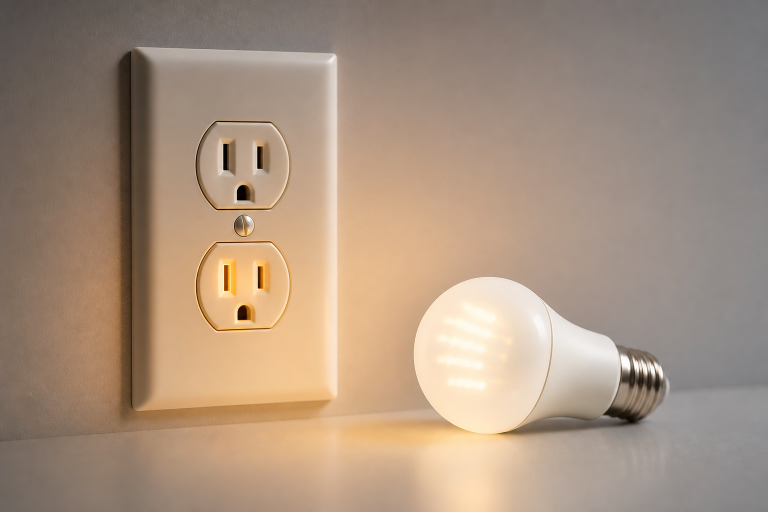
Heat can result from worn contacts, loose wiring, damaged cords, or too much load on an outlet. Stop using an outlet that is hot, smells unusual, sparks, or shows discoloration. Do not cover it, keep using it cautiously, or attempt to tighten internal parts yourself.
Repeated Breaker Trips
One trip after running several power-hungry devices may be an overload. A recurring trip, especially with heat, noise, or odor, may indicate a circuit problem, faulty appliance, or wiring concern. Space heaters, portable air conditioners, kitchen appliances, garage tools, and electric vehicle charging equipment can all increase demand.
When an Electrical Problem Is an Emergency
- Leave the area if there is smoke, visible fire, or a strong burning odor.
- Call 911 if there is immediate danger or a fire.
- Do not touch wet appliances, cords, panels, or outlets.
- Stay clear of exposed wires, damaged service equipment, and downed utility lines.
- If it is safe and you know which circuit is affected, stop using that circuit.
- Arrange prompt diagnosis and repair by a qualified electrical professional.
After severe weather, avoid flooded areas that may conceal energized equipment or lines. Keep people and pets well away from anything that could be connected to utility power.
What Can Wait for a Planned Inspection?
Some concerns may not require emergency service, but they should still be scheduled for review. Examples include a single burned-out bulb with no other symptoms, an outlet that is loose but cool and undamaged, limited panel space before a planned appliance upgrade, older two-prong outlets, or lights that briefly dim when a large motor starts. “Not an emergency” does not mean “safe to ignore.”
How to Prepare for a Power Outage
Homes in Eagle Ridge benefit from an outage plan that is ready before difficult weather arrives. Federal power outage preparedness guidance recommends planning for communication, food safety, charging, and essential needs before service is interrupted.
- Keep flashlights, spare batteries, bottled water, basic food, and needed medicines accessible.
- Charge phones and battery packs when severe weather is expected.
- Write down emergency contacts and utility information.
- Unplug sensitive electronics when practical, since power can fluctuate when service returns.
- Plan for household members who use powered medical devices.
- Test smoke alarms and carbon monoxide alarms regularly.
Safe Generator and Battery Backup Practices
Portable generators must run outdoors, well away from doors, windows, and vents. Never plug a generator into a wall outlet, because backfeeding can endanger utility workers and damage equipment. The risk of carbon monoxide poisoning from portable generators is serious, so use battery-backed carbon monoxide alarms and follow the manufacturer’s instructions.
Stop using rechargeable batteries that are swollen, cracked, leaking, unusually hot, or damaged. This includes batteries used in tools, e-bikes, scooters, and backup power equipment. Charge batteries on a stable surface, away from flammable materials and exit paths.
Electrical Checks for Older Homes
Older homes and homes with past renovations may need a closer look before adding an electric vehicle charger, hot tub, workshop equipment, major heating equipment, or a backup power system. Schedule an inspection after water damage, lightning, major surges, or remodeling. Keep records of upgrades, repairs, breaker issues, and repeated symptoms.
A Simple Monthly Electrical Safety Routine
- Check cords for fraying, crushed areas, and loose plugs.
- Look for heat or discoloration around frequently used outlets.
- Keep clutter away from the electrical panel, heaters, and charging areas.
- Test smoke and carbon monoxide alarms.
- Review the outage kit and replace depleted supplies.
- Record repeated flickers, odors, sounds, or breaker trips.
Questions Homeowners Often Ask
Is a tripped breaker always serious?
No. One trip may be a temporary overload. Repeated trips or trips accompanied by heat, noise, sparks, or burning odors need professional attention.
Can a homeowner replace a damaged outlet?
Electrical repairs can involve hidden wiring problems. Use a qualified professional when an outlet is warm, burned, loose, sparking, or connected to unknown wiring.
Should electronics stay plugged in during an outage?
Unplug sensitive electronics when practical. Suitable surge protection can also help reduce the risk of damage when power returns.
Conclusion
Electrical safety starts with noticing what has changed. In Eagle Ridge, WA, a warm outlet, unusual odor, flickering light, or frequently tripped breaker is a reason to act before the problem disrupts the home. With timely repairs, a practical outage kit, and safe backup-power habits, homeowners can reduce risk throughout 2026.