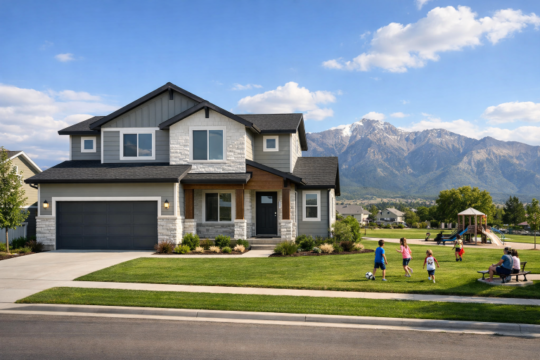
Listing photos can make a Woodside home look effortless: sunlit rooms, mature trees, polished kitchens, and expansive outdoor spaces. Yet a strong buying decision requires more than an appealing online presentation. For buyers comparing properties in Woodside and nearby Peninsula communities, Woodside CA real estate agent Scott Dancer offers a website focused on property searches, home valuations, sales guidance, and neighborhood information. Scott Dancer has worked in Woodside, Portola Valley, Atherton, and Menlo Park for decades, making local context especially useful when a home’s setting, access, and land characteristics matter as much as the interior.
Whether a property is near town, set along a wooded road, or positioned on a hillside parcel, buyers should evaluate how it will function on an ordinary weekday. Photos can introduce a home, but an in-person review, careful questions, and qualified inspections reveal whether the home fits the lifestyle and ownership costs that come with it.
Table of Contents
- 1 Why Listing Photos Never Tell the Whole Story
- 2 Start With the Home’s Daily Flow
- 3 Check Natural Light at More Than One Time of Day
- 4 Listen for Noise and Notice Privacy
- 5 Look at the Parts That Do Not Photograph Well
- 6 Measure Storage and Practical Space
- 7 Evaluate the Lot and Outdoor Areas
- 8 Review Access, Commute, and Neighborhood Fit
- 9 Ask About Insurance and Property Risk
- 10 Use a Home Tour Scorecard
- 11 Use an Inspection to Confirm What You Observed
- 12 Use Public Maps and Official Property Records
- 13 Common Questions Buyers Ask
- 14 Final Decision Checklist
- 15 Conclusion
Why Listing Photos Never Tell the Whole Story
Photography can make rooms appear brighter or more spacious, while staging reduces the visual clutter of daily life. That does not make listing photos unhelpful, but it does mean they leave important questions unanswered. Images cannot show street noise, cooking odors, uneven temperatures, window glare, difficult parking, or whether neighboring homes look directly into a bedroom or patio. A living room that appears bright online may feel overly warm in the afternoon sun or exposed after dark.
Start With the Home’s Daily Flow
Walk through the home as if you already live there. Consider the route from the driveway to the kitchen with groceries, the distance between bedrooms and bathrooms, and whether guests must pass through private areas. Look for narrow passages, awkward corners, steep interior stairs, or rooms that need constant furniture rearranging. Total square footage matters, but usable space matters more. A smaller home with logical circulation can feel more comfortable than a larger one with disconnected rooms.
Check Natural Light at More Than One Time of Day
In Woodside’s tree-lined and varied terrain, light can change significantly from one property to the next. Notice where the morning and afternoon sun enter, whether interior rooms remain dim, and whether trees, hills, or nearby structures limit daylight. If possible, return later in the day. Open blinds, stand near windows, and check whether the rooms most important to you receive light when you expect to use them.
Listen for Noise and Notice Privacy
During a showing, take a quiet minute with no conversation. Listen for road traffic, construction, aircraft, barking dogs, landscape equipment, or mechanical systems. Open a window to compare indoor and outdoor sound. Then examine sightlines from bedrooms, living areas, decks, and pools. A second visit during a weekday commute, in the evening, or on the weekend can provide a more realistic sense of activity around the property.
Look at the Parts That Do Not Photograph Well
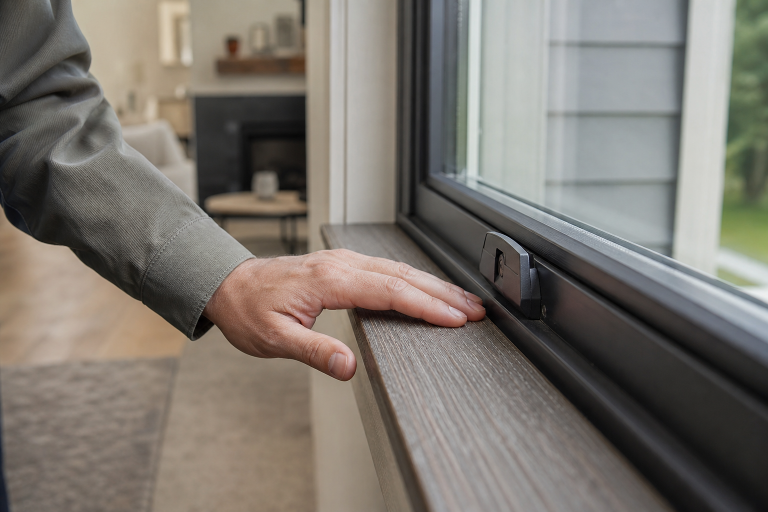
Spend time in the garage, utility room, basement, attic access area, and around exterior walls. Look for water staining, musty smells, uneven floors, sticking doors, damaged window frames, or fresh paint limited to one small area. Ask about the age and maintenance history of the roof, heating and cooling equipment, water heater, electrical panel, septic system, well, or other property-specific systems. These observations do not establish a defect, but they identify areas that deserve professional review.
Measure Storage and Practical Space
Open closets, cabinets, drawers, and garage doors rather than estimating storage from the doorway. Check pantry capacity, linen storage, entry storage, laundry space, and the true dimensions of the garage. Confirm that vehicles fit without eliminating room for bicycles, tools, or seasonal items. Limited storage can become a daily frustration, even when the primary rooms are attractive and well-finished.
Evaluate the Lot and Outdoor Areas
Outdoor space deserves the same attention as the house. Review the slope, drainage patterns, retaining walls, fencing, large trees, patios, decks, and paths around the property. Ask whether landscaping, pools, gardens, and extensive hardscape match the time and maintenance budget you expect to have. Also consider future privacy: adjoining parcels, visible building areas, and access routes can influence how a setting feels over time.
Review Access, Commute, and Neighborhood Fit
Drive the routes you will use most often, including trips to work, school, shopping, medical care, trails, and other regular destinations. Test those routes during both peak and off-peak periods when possible. Look beyond the driveway at road width, parking, sidewalks, drainage, and the ease of entering or leaving the property. A beautiful home can become less appealing if ordinary travel is consistently difficult.
Ask About Insurance and Property Risk
Request an insurance estimate before the inspection contingency period ends, particularly for homes with wooded surroundings, unusual construction, private roads, or a history of prior damage. Ask sellers about flooding, fire, storm damage, water intrusion, structural repairs, and insurance nonrenewals. The Consumer Financial Protection Bureau outlines questions to ask about flood and disaster risk when buying a house, including questions about past damage, coverage, utilities, and water access.
Use a Home Tour Scorecard
A simple scorecard can keep décor and first impressions from taking over after several tours. Rate each category from one to five and write a brief note supporting the score:
- Daily fit: Does the layout support your normal routine?
- Condition: Which systems or repairs may need attention soon?
- Location: Does access, privacy, services, and surroundings work for you?
- Ownership cost: Are taxes, insurance, utilities, maintenance, and likely repairs manageable?
- Resale considerations: Would future buyers likely value the location and core features?
Use an Inspection to Confirm What You Observed
Your tour is an initial review, not a substitute for a licensed home inspection. Depending on the property, buyers may also need specialists in roofing, sewer, chimney, septic, well, pest, structural, or environmental issues. Read the full inspection report rather than focusing only on the summary, and ask the inspectors to explain the practical significance of the major findings and the recommended follow-up.
Use Public Maps and Official Property Records
Review parcel information, zoning, permits, and local planning records for additions, garages, remodels, and accessory structures. Public records are a useful starting point, but important details should be confirmed with qualified professionals. Buyers can also review flood zones and maps to understand how mapped flood classifications relate to insurance requirements and property risk.
Common Questions Buyers Ask
Are Listing Photos Misleading?
They are usually selective and carefully framed. They may accurately show features, but they cannot capture changing light, sound, odors, traffic flow, or the complete neighborhood setting.
Should Buyers Visit More Than Once?
When possible, yes. A second visit at a different time can reveal changes in sun exposure, temperature, traffic, and nearby activity.
What Matters More: Layout or Square Footage?
Square footage measures size, while layout measures usefulness. A well-planned, smaller home may serve a household better than a larger home with wasted or inconvenient space.
Final Decision Checklist
- Does the home fit your daily routine without major compromises?
- Are location, access, and privacy suitable for the next several years?
- Have you reviewed major systems, insurance, utilities, permits, and property risks?
- Does the outdoor area fit your maintenance capacity?
- Would you still choose the home without the staging, décor, and listing photography?
Conclusion
A thoughtful Woodside home purchase involves more than comparing photos and finishes. Experience the property in person, study the setting, inspect less visible spaces, and consider the full cost of ownership. When a home works in real life as well as it does on a screen, it is far more likely to remain a satisfying fit.