Table of Contents
- 1 Can You Refuse A Breath Test In Colorado?
- 2 Roadside Tests And Post-Arrest Tests Are Different
- 3 What Can Happen After A Refusal
- 4 Why There May Be Two Separate Cases
- 5 The Express Consent Hearing Deadline
- 6 Evidence That May Matter In A DUI Case
- 7 Common Mistakes To Avoid
- 8 Practical Next Steps
- 9 Conclusion
Can You Refuse A Breath Test In Colorado?
The answer depends on what kind of test an officer is requesting and when the request occurs. A roadside screening device and a chemical test requested after an arrest do not carry the same rules or potential consequences. Someone facing this situation may want to discuss the specific facts with a DUI defense attorney, particularly when an officer alleges a refusal or issues an Express Consent notice. On Colorado roads, from late-night trips through Denver to winter drives along I-70, a traffic stop can become stressful very quickly. The most important first step is to determine whether the officer is requesting a voluntary roadside screening test or a post-arrest chemical test under Colorado’s express-consent rules.
Roadside Tests And Post-Arrest Tests Are Different
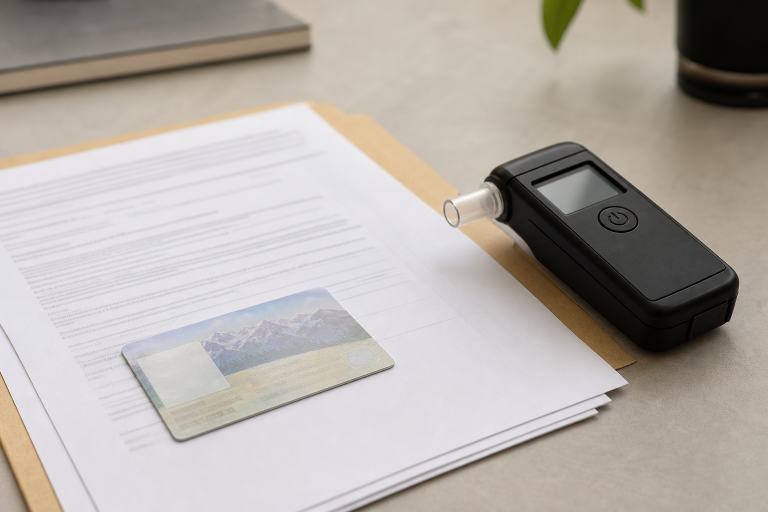
A preliminary breath test at the roadside is not the same as the evidentiary breath or blood test requested after an arrest. Colorado’s expressed-consent law distinguishes roadside testing from testing after a DUI arrest. In general, a driver may decline a roadside preliminary breath test. The officer may still rely on other observations, statements, driving behavior, field testing, dispatch information, or other evidence when deciding whether to make an arrest.
After an arrest, the legal landscape changes. Colorado law treats driving in the state as consent to chemical testing when an officer has probable cause to believe the driver committed DUI or DWAI. Depending on the circumstances, the requested evidentiary test may involve a breath or blood test. A driver’s age, the suspected substance, medical circumstances, and the available testing method can affect what happens next.
Why The Distinction Matters
- Roadside preliminary breath test: Often used before arrest as part of an investigation.
- Post-arrest chemical test: Requested after arrest to determine alcohol or drug content under Colorado’s expressed-consent framework.
- Refusal allegation: May arise when a driver declines, fails to complete, or does not cooperate with a requested post-arrest test.
What Can Happen After A Refusal
Refusing a requested post-arrest chemical test does not necessarily end the investigation. Instead, it may create its own issues. A refusal can be relevant in a criminal case and can also trigger an administrative action regarding a driver’s license. The consequences depend on the allegation, the driver’s history, the notice issued, and the outcome of the DMV process. Colorado also treats incomplete cooperation seriously. For example, the issue may not be limited to a person saying “no” at the beginning of the process. A dispute can develop over whether the driver was able to complete the test, whether a medical issue was involved, what instructions were given, and whether the testing procedure was properly handled.
Why There May Be Two Separate Cases
A DUI arrest in Colorado can lead to two separate tracks. One is administrative and concerns driving privileges. The other is criminal and concerns the charged offense. These tracks may overlap in facts, but different decision-makers handle them and can move on different schedules.
- DMV administrative process: Focuses on license revocation, suspension, restrictions, and reinstatement requirements.
- Criminal court process: Addresses charges such as DUI, DUI per se, DWAI, or related offenses.
This distinction matters because a favorable development in one setting does not automatically resolve the other. A court case may be dismissed or reduced while a DMV restraint remains in place, or a DMV hearing may conclude without a decision on the criminal charge.
The Express Consent Hearing Deadline
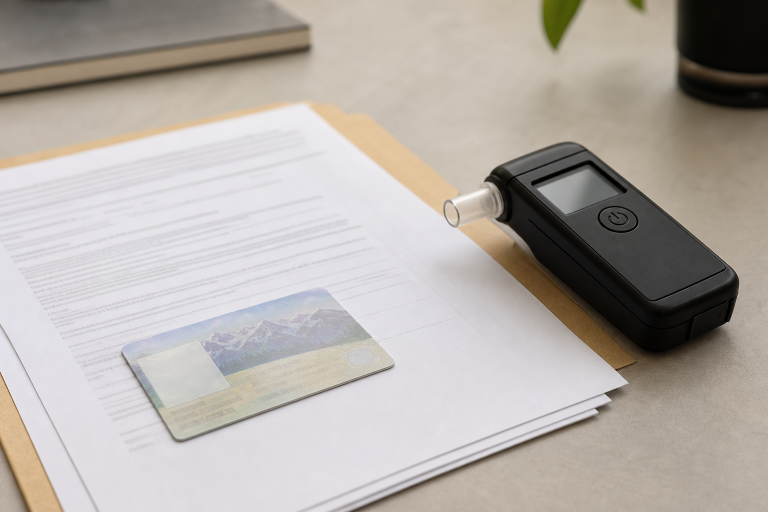
When a driver receives an Express Consent Affidavit and Notice of Revocation after a breath test or alleged refusal, prompt action is important. Colorado DMV guidance states that hearing requests are generally due within seven days in breath-test and refusal situations. For a blood test, the timing may range from receipt of the results to notice. The exact paperwork, dates, and instructions should be reviewed carefully. The DMV’s administrative process for DUI cases explains that an Express Consent hearing concerns driving privileges and is separate from the criminal court proceeding. At the hearing, the issues may include whether the person drove or controlled a vehicle, whether the officer had probable cause, and whether a refusal or a qualifying chemical test result occurred. Missing the hearing deadline can allow the revocation process to proceed. Do not assume that a future court date protects a license or extends a DMV deadline. Read every notice, record the date it was received, and verify the current status of driving privileges before driving.
Evidence That May Matter In A DUI Case
A breath-test refusal is only one part of a possible DUI or DWAI case. The overall record may include the reason for the stop, driving pattern, officer observations, body-camera footage, roadside interactions, witness accounts, medical information, and the timing of events. If a chemical test was completed, the collection method, testing process, and reported result may also be important. No single fact automatically determines the outcome of every case. For example, an officer’s report may describe signs of impairment, while video footage, physical conditions, fatigue, injury, language barriers, or other details may provide additional context. Preserving information early can be valuable because memories fade and recordings may not remain available forever.
Common Mistakes To Avoid
- Confusing a roadside preliminary test with a post-arrest chemical test.
- Ignoring an Express Consent notice while focusing only on the court.
- Driving before confirming whether driving privileges remain valid.
- Discarding release papers, tow records, notices, or receipts.
- Posting details of the stop or arrest on social media.
- Assuming another person’s experience in a different state applies in Colorado.
Practical Next Steps
- Collect all paperwork from law enforcement, the tow company, the court, and the DMV.
- Write down the timeline while events are still fresh.
- Identify any DMV hearing-request deadline listed on the notice.
- Confirm the date, time, and location of the first court appearance.
- Preserve relevant messages, photos, medical records, and witness contact information.
- Arrange transportation if the license status is uncertain.
Conclusion
Colorado drivers can generally decline a roadside preliminary breath test, but refusing a chemical test after a DUI or DWAI arrest can have serious administrative and potentially criminal implications depending on the circumstances and applicable law. The two requests serve different purposes and should not be treated as interchangeable. A roadside preliminary breath test may be used during an investigation. In contrast, a post-arrest chemical test can be subject to Colorado’s express-consent requirements and may affect a person’s driving privileges. After an arrest, carefully review every notice provided by law enforcement or the Department of Revenue, including information about license actions, hearing rights, and deadlines. Keep copies of test-related paperwork, record important dates, and avoid assuming that the criminal court case and driver’s license process will follow the same timeline. If the circumstances surrounding a test request, refusal, or result are unclear, obtaining case-specific legal guidance can help clarify the applicable requirements. Careful attention to notices, deadlines, evidence, and current driving status can help a person respond more thoughtfully during an already difficult situation.