
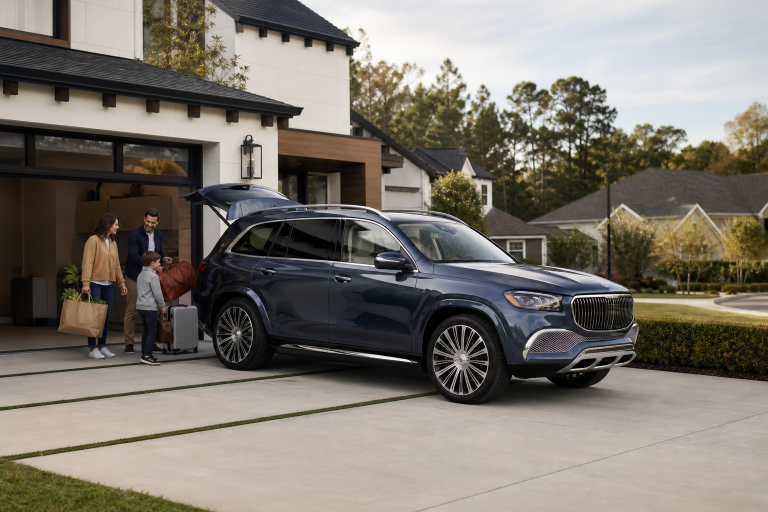
A luxury SUV should make everyday travel calmer, safer, and more convenient, not simply look impressive in the driveway. The right choice depends on where you drive, who rides with you, and which features will genuinely improve your routine. For shoppers beginning their research, learn more about available options and consider how each vehicle fits the life you live most often.
It is easy to get distracted by large touchscreens, performance figures, and premium trim packages. Those details can matter, but a better starting point is whether the SUV is comfortable in traffic, easy to park, practical for passengers, and affordable to own over time.
Table of Contents
- 1 Start With Daily Driving Needs
- 2 Choose the Right SUV Size
- 3 Set a Realistic Budget
- 4 Compare Gas, Hybrid, Plug-In Hybrid, and Electric Powertrains
- 5 Look Beyond Leather and Screens
- 6 Check Safety and Driver-Assistance Features
- 7 Use a Smart Test-Drive Plan
- 8 Think About Long-Term Ownership
- 9 Common Questions
- 10 Final Luxury SUV Checklist
Start With Daily Driving Needs
Before comparing badges or trim levels, write down what your SUV must handle during a normal week. Consider commuting, stop-and-go traffic, school runs, highway trips, regular passengers, grocery hauls, outdoor equipment, winter weather, and occasional towing. A driver who spends most weekdays in city traffic may get more value from quiet ride quality, supportive seats, and easy parking than from maximum horsepower.
Be specific about the situations that create frustration in your current vehicle. Limited cargo room, difficult third-row access, poor visibility, or a cramped garage can quickly outweigh a feature that seemed exciting during an online search.
Choose the Right SUV Size
Bigger is not automatically better. In many cases, the best luxury SUV is the smallest one that comfortably manages your usual passengers, cargo, and travel plans.
Compact Luxury SUVs
Compact models are usually easier to maneuver, park, and live with in dense neighborhoods. They can suit solo drivers, couples, and smaller families who want an elevated seating position without the bulk of a larger vehicle.
Midsize Luxury SUVs
Midsize SUVs often strike the strongest balance between passenger comfort, cargo flexibility, and manageable road manners. They are a practical choice for families, frequent road-trippers, and drivers who regularly use the second row.
Three-Row and Full-Size Luxury SUVs
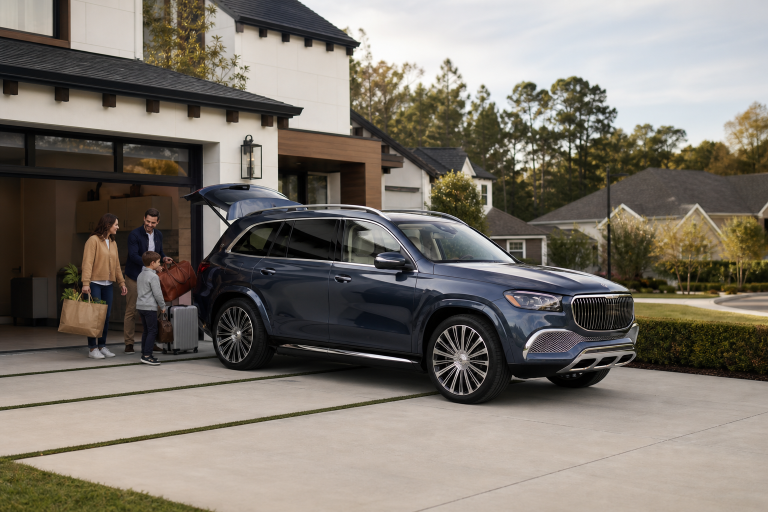
Three-row models make sense when extra passengers are a regular part of life. Full-size SUVs can add maximum room and, in some configurations, stronger towing capability. However, they can also bring higher purchase, fuel, tire, maintenance, and parking costs. Test the third row yourself, since it may be comfortable for children but less suitable for adults on longer drives.
Set a Realistic Budget
The sticker price is only one part of the ownership picture. Build a budget around the total cost of driving, including purchase or lease payments, insurance, taxes, registration, and fuel. In contrast,harging, routine service, tires, brakes, and potential repairs after warranty coverage ends.
Compare at least three versions of each SUV you seriously consider. A lower trim with a carefully chosen package may include the safety, comfort, and connectivity features you will actually use, without adding costly appearance upgrades or equipment that rarely earns its keep.
Compare Gas, Hybrid, Plug-In Hybrid, and Electric Powertrains
Each powertrain can work well for a different routine. Gasoline models remain straightforward for drivers who take long trips or lack reliable access to charging. Hybrids may be attractive for frequent city driving. In contrast, plug-in hybrids can fit short daily commutes when home charging is available, and a gasoline backup is useful for longer travel.
Electric SUVs can offer quiet operation, quick low-speed response, and fewer gas-station visits. Before choosing one, assess home charging, expected route length, cold-weather needs, and public charging along regular trips. Use official fuel-economy estimates and vehicle comparisons to look beyond marketing claims and evaluate the models you are considering.
Look Beyond Leather and Screens
Useful luxury is less about the number of screens and more about whether the cabin reduces effort. Look for supportive seats, clear outward visibility, simple climate controls, low road and wind noise, practical storage, easy phone connections, and a cargo area that works for real items.
Sit in every seating position your household expects to use. Check how easily a child seat, stroller, sports bag, grocery load, or weekend luggage fits. A vehicle can feel generous from the driver’s seat while leaving rear-seat passengers with limited knee room or awkward access.
Check Safety and Driver-Assistance Features
Driver-assistance technology can support awareness, but it does not replace an attentive driver. Compare which features are standard and which require a higher trim or option package. Useful equipment may include automatic emergency braking, blind-spot monitoring, rear cross-traffic alert, lane-keeping assistance, adaptive cruise control, parking sensors, and surround-view cameras.
Review independent vehicle safety ratings before making a final decision, then look beyond the overall score. The available safety package, seating position, visibility, and how intuitive the systems are to operate are all important in daily driving.
Use a Smart Test-Drive Plan
A short drive around a dealership rarely tells the full story. Try to recreate your normal driving experience by following a simple plan:
- Adjust the seat, steering wheel, mirrors, and controls without help.
- Check entry and exit for regular passengers.
- Drive on city streets, rough pavement, highway lanes, and a tight parking route.
- Listen for road, tire, and wind noise at different speeds.
- Test the infotainment system, cameras, and climate controls on your own.
- Load the type of cargo you carry most often, when possible.
Driving competing SUVs on the same day makes small but meaningful differences easier to identify. Pay attention to how relaxed you feel after 20 minutes, not just how impressive the vehicle feels in the first two.
Think About Long-Term Ownership
Ask practical questions before signing paperwork. How often is service required? Are replacement tires readily available? What does the warranty cover? Can software updates happen remotely? Is service scheduling convenient? Premium equipment may add comfort, but it can also create larger repair bills outside the warranty period. Choose features based on how often you expect to use them.
Common Questions
What Is the Best Luxury SUV for Daily Driving?
The best option depends on your budget, passenger count, parking environment, road conditions, and powertrain needs. For many drivers, a compact or midsize SUV is easier to use every day than a larger model.
Is a Three-Row Luxury SUV Worth It?
It can be worthwhile for households that regularly carry extra passengers. If the third row is rarely used, a midsize SUV may provide a better balance of space, efficiency, and convenience.
Should Buyers Choose New or Certified Pre-Owned?
New models can offer the latest equipment and full warranty coverage. Certified pre-owned vehicles may offer lower prices with added inspection standards and limited warranty coverage, making them worth careful comparison.
Final Luxury SUV Checklist
- Fits your usual passenger count and regular cargo.
- Fits your garage, driveway, and typical parking spaces.
- Matches your fuel or charging situation.
- Includes the safety features you value most.
- Feels comfortable after an extended drive.
- Stays within your full ownership budget.
- Has service support that fits your schedule.
The right luxury SUV is not necessarily the widest, fastest, or most expensive choice. It is the one that makes daily driving feel comfortable, useful, and manageable for years to come.