
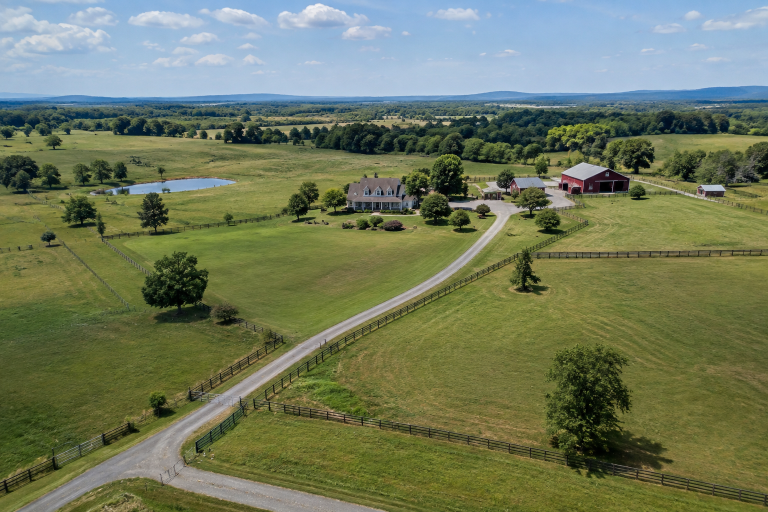
Buying acreage, a hobby farm, a ranch, or a country home can be rewarding, but financing a rural property often involves more moving parts than financing a typical suburban house. Buyers considering rural residential financing should evaluate the home, land, infrastructure, intended use, and long-term ownership costs before making an offer.
A strong application matters, but borrower qualifications are only part of the decision. The lender also needs to understand the property itself, including access, utilities, water, septic systems, outbuildings, acreage, and whether the planned use fits the available loan program.
Table of Contents
- 1 Why Rural Property Financing Can Be Different
- 2 Start By Defining the Property’s Main Use
- 3 Review the Main Financing Paths
- 4 Prepare Financial Records Before Applying
- 5 Inspect the Land and Infrastructure Before a Firm Offer
- 6 Understand How Appraisals Affect Rural Loans
- 7 Compare Loan Offers and Build a Complete Budget
- 8 Write Strong Offer Terms and Avoid Common Mistakes
- 9 Conclusion
Why Rural Property Financing Can Be Different
Many rural properties have more than one purpose. A parcel may be a primary residence, a recreational retreat, a small livestock operation, a leased hay field, or a future homesite. That combination can create questions that are less common with a standard neighborhood home purchase.
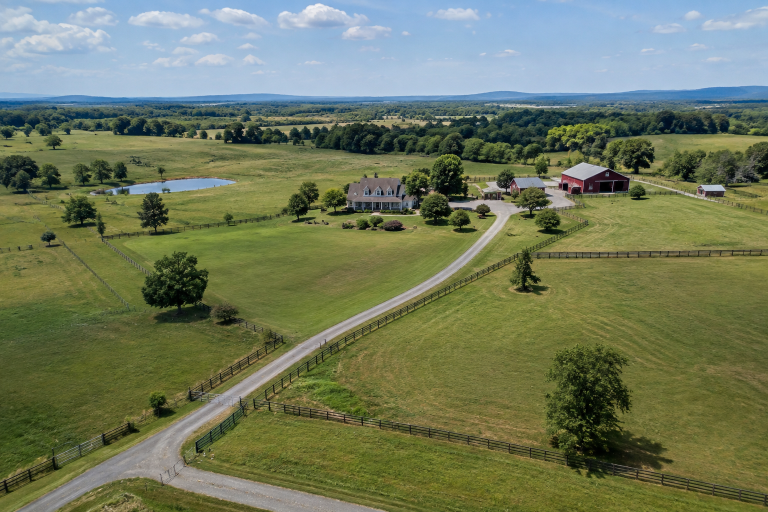
Extra acreage, barns, workshops, private roads, wells, septic systems, fences, irrigation, and limited comparable sales can all require closer review. A buyer may qualify for a conventional mortgage based on income and credit, yet find that a seasonal cabin, an unusually large parcel, or a property with significant agricultural improvements requires a different financing structure.
Start By Defining the Property’s Main Use
Before comparing lenders, define how the property will be used at closing and over the next several years. Clear plans help buyers ask better questions and provide the documentation a lender may need.
- Primary residence with acreage
- Hobby farm or equestrian property
- Full-time farm or ranch operation
- Recreational land or seasonal retreat
- Future homesite
- Rental, mixed-use, workshop, storage, livestock, or crop property
Intended use may influence how income is reviewed, which improvements are relevant to value, what insurance is needed, and whether local zoning permits the planned activity. Buyers should avoid assuming that future farm income, rental income, or a planned business can be counted until the lender explains its requirements.
Review the Main Financing Paths
Residential, government-backed, and agricultural options
There is no universal best loan for every rural purchase. Conventional real estate loans may be suitable for an owner-occupied home with standard features and reliable market support. Government-backed rural programs may be available to eligible buyers if the property’s location, income, occupancy, and other program rules are met.
Agricultural real estate loans may be more appropriate for a working farm or ranch, or for a purchase tied to an operating plan. Construction or improvement financing may suit a property that needs a home, major repairs, utility work, or other infrastructure. Seller financing is another possible path, but buyers should carefully review the note, repayment terms, title status, interest rate, and default provisions before proceeding.
For buyers pursuing a farm or ranch purchase, the Farm Ownership Loan programs describe direct and guaranteed financing that may support eligible producers purchasing farms, ranches, and related real estate.
Prepare Financial Records Before Applying
Organized records can make underwriting more efficient and reduce follow-up requests. Buyers should be ready to provide recent pay stubs, employment information, tax returns, bank and investment statements, current debt details, and proof of funds for the down payment and closing costs.
Self-employed buyers may also need business financial statements. Applicants using farm, seasonal, rental, or commission income should keep records that explain how the income is earned and whether it is likely to continue. For a new or expanding agricultural operation, a practical operating plan, expense estimates, leases, and production records may be useful.
Inspect the Land and Infrastructure Before a Firm Offer
Rural due diligence should go beyond the condition of the house. Confirm legal access through public roads, easements, shared driveways, and written maintenance agreements. Review well records, water testing, water rights where applicable, septic permits, inspection reports, and available replacement areas.
Buyers should also verify electric service, heating fuel, internet availability, propane arrangements, and backup-power needs. Check zoning and land-use rules for housing, livestock, farming, rentals, or commercial activity. Barns, fencing, workshops, irrigation equipment, drainage, flood exposure, wildfire risk, erosion, and environmental concerns all deserve attention before contingencies are removed.
Understand How Appraisals Affect Rural Loans
Rural appraisals can be challenging when nearby sales differ widely in acreage, condition, location, or improvements. Construction cost does not always equal market value, particularly for specialized features such as large barns, elaborate fencing, private roads, or irrigation systems.
If an appraisal comes in below the contract price, options may include renegotiating with the seller, increasing the down payment, changing the loan structure, or using an appraisal contingency to reconsider the purchase. Buyers can help by providing the appraiser with accurate information about acreage, improvements, leases, access, and recent updates.
Compare Loan Offers and Build a Complete Budget
Focus on the full cost of borrowing, not only the advertised rate. Compare the interest rate, annual percentage rate, principal and interest payment, mortgage insurance, lender fees, credits, prepayment terms, adjustable-rate risk, collateral requirements, and expected closing timeline. The Consumer Financial Protection Bureau explains how to compare Loan Estimates and negotiate loan offers by focusing on costs lenders can control.
Your ownership budget should also include inspections, surveys, appraisals, legal fees, well and septic testing, property taxes, insurance, road and fence maintenance, equipment, utility upgrades, internet installation, and immediate repairs. Preserve an emergency reserve after closing rather than putting every available dollar toward the down payment.
Write Strong Offer Terms and Avoid Common Mistakes
Allow enough time for financing approval and include contingencies for appraisal, inspection, title, access, well, septic, and zoning review. Identify included equipment, outbuildings, livestock facilities, and repair responsibilities in writing. Review private road agreements and shared maintenance duties before closing.
Common mistakes include treating a residential preapproval as approval for any rural property, delaying land-use research, opening new credit accounts before closing, moving large sums of money without documentation, and removing financing contingencies too soon. Ask the lender which conditions remain in place, whether the full parcel is eligible, how nontraditional income will be evaluated, and how much cash should remain available after closing.
Conclusion
Rural property financing is easier to manage when the land, loan, and long-term budget are evaluated as one decision. Clear plans, complete records, careful inspections, realistic reserves, and protective contract terms can reduce uncertainty. The right financing choice is the one that fits the borrower, the property, and its intended use over time.