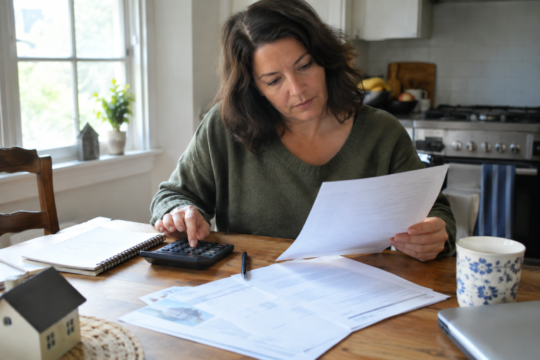
Building a budget in Greater Seattle means accounting for the realities of local life, from high housing costs and commuting choices to rainy weekend spending, seasonal utility changes, and trips across Puget Sound. A workable plan is not about depriving yourself. It is a way to decide where each paycheck goes before everyday costs make those decisions for you.
Whether you are paid on a predictable schedule, work freelance projects, or combine multiple income sources, a budget should reflect the money that actually reaches your account. Working with a credit union in Greater Seattle area can also make it easier to organize savings, checking, and goals in a way that supports your routine.
Why Many Budgets Stop Working
Many budgets fail because they begin with unrealistic limits. Someone may set a grocery target based on what they wish they spent, then exceed it because their household needs more meals, school lunches, or convenient options during a busy workweek. The problem is not necessarily a lack of discipline. The number did not match real life.
A useful budget includes costs that do not arrive every month, such as car registration, gifts, annual subscriptions, medical copays, home supplies, and travel to see family. It should guide choices without turning a hard month into a reason for guilt or abandonment.
Step 1: Calculate Real Monthly Income
Use take-home pay, meaning the amount available after taxes, benefits, deductions, and other withholdings. Include regular wages, reliable freelance income, support payments, benefits, and consistent side income when applicable. Keep one-time money, such as a tax refund or gift, separate from your regular monthly plan.
If income changes from month to month, build the budget around a conservative figure, such as the lower end of your typical earnings. In stronger months, direct extra income toward savings, irregular expenses, or debt instead of immediately adding new fixed costs.

Step 2: Review Recent Spending
Look through the past 30 to 90 days of bank and card activity. Categorize what you find into housing, utilities, food, transportation, insurance, debt payments, subscriptions, entertainment, personal spending, and savings. Use transaction data instead of memory, since coffee stops, delivery fees, parking, and app purchases can quietly add up.
Use a simple list, spreadsheet, or banking tool to keep track of income, spending, and bill due dates in a manageable way. The goal is not to judge prior purchases. It is to see what your money has already been doing.
Step 3: Separate Needs, Wants, And Future Goals
Needs generally include housing, basic food, utilities, transportation needed for work or caregiving, insurance, healthcare, and minimum debt payments. Wants are more flexible, such as streaming services, restaurant meals, hobbies, upgraded services, and spontaneous shopping.
Savings and extra debt payments deserve their own category because they support future stability. If a category needs to shrink, reduce it thoughtfully rather than cutting every enjoyable expense at once. For example, planning one restaurant meal each week may be more sustainable than banning dining out completely.
Step 4: Choose A Budgeting Method That Fits
- 50/30/20 method: A broad starting framework for needs, wants, and savings or extra debt payments.
- Zero-based budget: Assigns every dollar a purpose until income minus planned spending equals zero.
- Pay-yourself-first method: Moves a chosen amount to savings before flexible spending begins.
- Paycheck budget: Matches expenses to each payday, which can help when rent and bills fall on different days of the month.
- Envelope or category method: Sets firm limits for selected flexible categories, such as groceries, dining out, or personal spending.
You can combine methods. For instance, automate savings on payday, use a paycheck plan for rent and utilities, and monitor only a few categories that tend to fluctuate.
Step 5: Build A Simple Monthly Plan
Start with monthly take-home income. Subtract fixed bills and minimum debt payments, then reserve money for savings and essential variable costs. Add flexible spending, irregular expenses, and a small buffer. Any remaining money should have a clear purpose, such as accelerating a loan payment or building a moving fund.
Example Using $5,000 In Monthly Take-Home Income
- Housing and utilities: $2,100
- Food: $650
- Transportation: $450
- Insurance and minimum debt payments: $650
- Savings and sinking funds: $700
- Personal spending and entertainment: $300
- Buffer: $150
Step 6: Plan For Uneven Expenses
An emergency is an urgent, unexpected event. A predictable irregular cost is different. If you know an annual membership, holiday expense, vehicle repair need, school cost, or insurance renewal is likely, divide the estimated yearly amount by 12 and save that amount monthly in a sinking fund. This creates room for known expenses before they arrive.
Use Data For Context, Not Judgment
National averages cannot tell you what your household should spend, especially in the Seattle area, where housing, family needs, and transportation choices vary widely. Still, Consumer Expenditure Survey data can provide a broad context about how U.S. households report spending and income. Use it to ask better questions, not to force your budget into someone else’s pattern.
Automate, Check In, And Adjust
Automate fixed bills, minimum debt payments, and savings transfers when your account balance allows. Keep a checking cushion to reduce the risk of overdrafts, and review recurring charges every few months for subscriptions or price changes.
Then spend five minutes each week checking your balance, upcoming bills, flexible categories, and one adjustment for the following week. Update the budget after a job change, a pay change, a move, a new debt, a household change, or a major goal. A strong budget can bend when life changes. It only needs to clarify the next financial decision.