
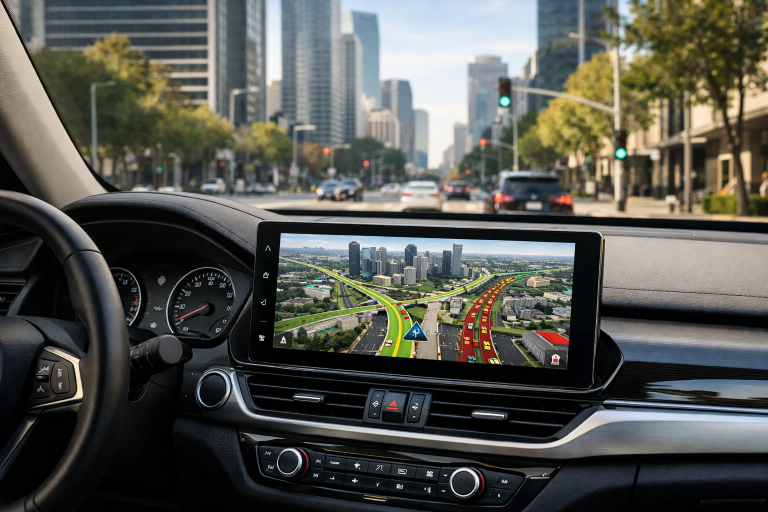
In today’s fast-paced world, efficient and reliable navigation systems have become indispensable, streamlining both our personal commutes and business logistics. As roads grow busier and demands for accuracy and safety rise, the advancement of digital navigation technology stands at the forefront of this transformation. Innovations in navigation not only provide peace of mind on the road but also play a critical role in emergent fields like logistics planning and legal investigations, where precise movement can be paramount. In cases involving location data or travel reconstruction, a skilled Criminal Defense advocate may rely on advanced navigation records and geospatial evidence to help support case analysis and strengthen legal strategies.
Navigation systems are evolving rapidly, reflecting the impact of artificial intelligence, real-time data, and enhanced privacy measures. These trends are fundamentally reshaping user expectations and industry standards, promising more personalized and efficient travel experiences than ever before. Navigation is no longer just about getting from point A to point B; it is about arriving with safety, confidence, and the assurance that your data remains secure.
Table of Contents
Artificial intelligence is at the core of the new wave of navigation technology. AI-driven algorithms can analyze huge volumes of map data, historical traffic patterns, and even user behavior to recommend the most efficient routes in real time. For example, the collaboration between Visteon and TomTom resulted in the world’s first in-car local AI conversational navigation system, which processes data directly within the vehicle. This means drivers can use fast, intelligent voice controls without relying on cloud-based servers, making navigation more responsive and operational even without an internet connection. This integration of on-device AI not only enhances user experience but also solidifies the role of autonomous systems in navigation.
The integration of real-time data into navigation apps is shifting the landscape for drivers, cyclists, and public transit users. Companies such as Telenav have adopted solutions like Iteris’ ClearData, which delivers critical traffic and weather updates directly to the dashboard. These updates enable proactive re-routing, helping drivers avoid delays caused by congestion, accidents, or road closures. Not only does this minimize travel time, but it also supports safer driving by alerting users to hazardous conditions ahead. Real-time mapping further allows riders in urban areas to switch between transportation modes on the fly, supporting the rise of smart cities.
For a broader context, the demand for real-time information is now spreading into related fields, with platforms like Google Maps providing extensive capabilities for live traffic tracking, estimated arrival times, and crowd-sourced hazard alerts. Dynamic, data-powered navigation helps reduce stress and surprise delays, especially in crowded urban centers.
The push for stronger privacy in navigation systems is a direct response to heightened public concern over location tracking and data leaks. Modern solutions are increasingly designed with privacy in mind, opting to process sensitive information directly on devices rather than relying on cloud servers. For instance, Visteon and TomTom’s privacy-first in-car system ensures user voice queries and travel histories stay within the vehicle’s ecosystem, reducing the risk of external data breaches or unauthorized data sales. This local processing approach is influencing industry standards, with regulatory pressures now requiring developers to give users granular control over what personal data is collected and retained. As privacy expectations keep evolving, flexible and secure navigation designs become a fundamental user demand.
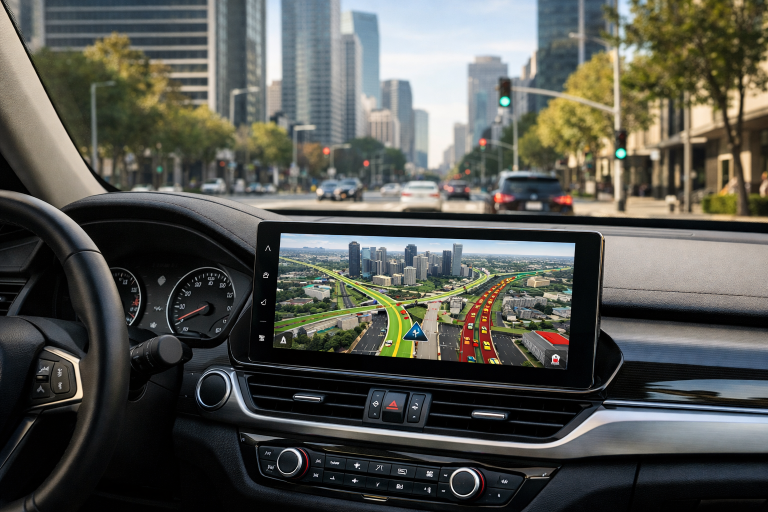
With users expecting technology to reflect individual preferences, customization is a key trend in navigation systems. Major providers are offering comprehensive SDKs that allow automakers and third-party developers to tailor navigation software, from the look of the map display to the integration of branded voice assistants. HERE Technologies has pioneered in this space, letting car manufacturers fully customize and embed their brand identity within the vehicle’s navigation interface. This ability to adapt everything from visual themes to guidance voices significantly boosts user engagement and brand loyalty, setting brands apart in a highly competitive market.
Custom interfaces and features also help make technology more inclusive, supporting accessibility needs for visually impaired drivers or those who require auditory prompts.
As digital navigation continues evolving, technologies like augmented reality and enhanced artificial intelligence are rapidly gaining traction. Leading collaborations, such as Mapbox and Hyundai AutoEver, are unveiling systems that use AI for immersive 3D route visualization and conversational voice guidance. These features do more than just provide directions: they create engaging, interactive navigation experiences that strengthen situational awareness and make travel more intuitive.
The adoption of AR-driven navigation in connected vehicles could soon blur the lines between the digital and physical worlds. For example, windshield projections and interactive map overlays are already in testing, pointing to a future where navigation supports not just drivers but also autonomous vehicle systems and next-generation mobility solutions. The ongoing influx of investment into these emerging technologies forecasts a leap forward in how we plan, experience, and optimize every journey.
In conclusion, the relentless innovation happening in the fields of AI, real-time data analytics, privacy, and customization is rapidly shaping the future of digital navigation. These developments promise not just more efficient and secure journeys but also a level of personalization and reliability that redefines what it means to find your way in the modern world.